The places behind the teaching

Oxford & Cambridge colleges.

Discover their architecture, history and character. A college is part of a tutor’s background; their teaching and experience make their profile their own.

University of Oxford

All Souls College

All Souls College

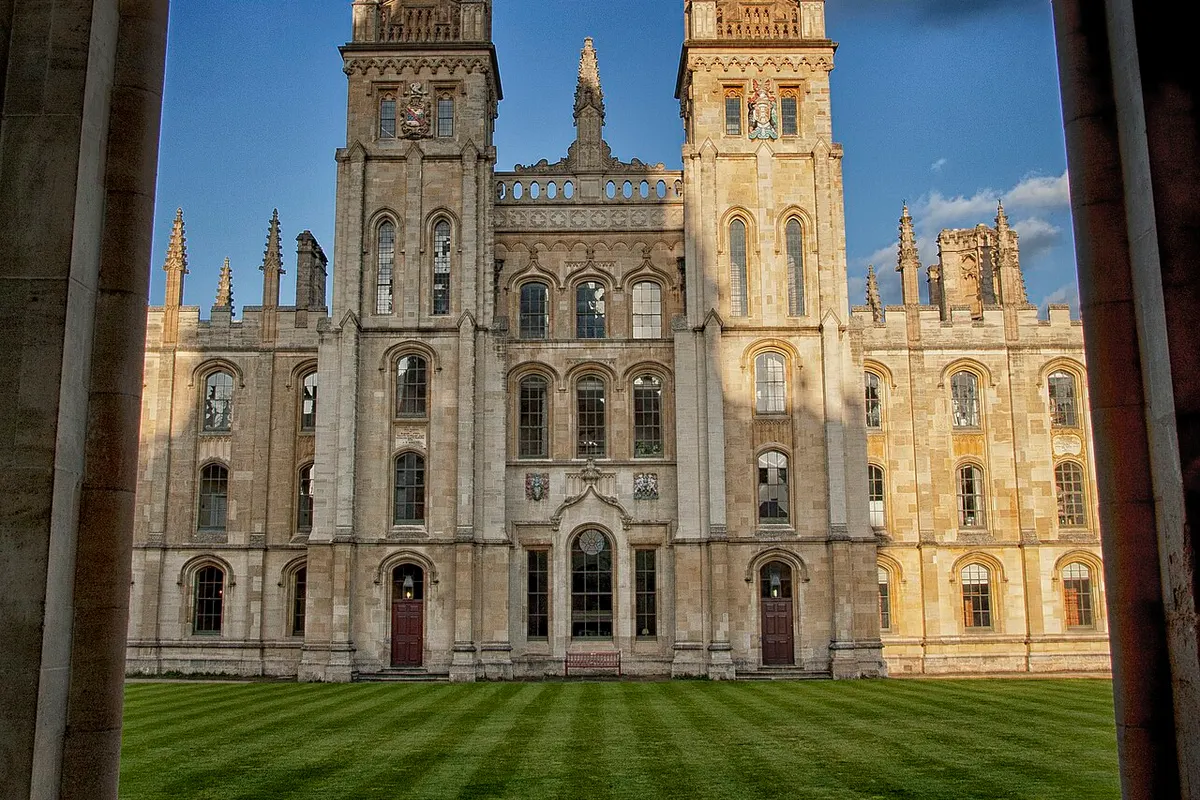
A community centred on advanced research rather than a conventional undergraduate intake. Its history reaches back to Henry Chichele’s fifteenth-century foundation, with scholarship across a wide range of disciplines at the heart of college life.

  • Research fellowship community
  • Fifteenth-century foundation
Official college information ↗
Research sourceswww.asc.ox.ac.uk ↗
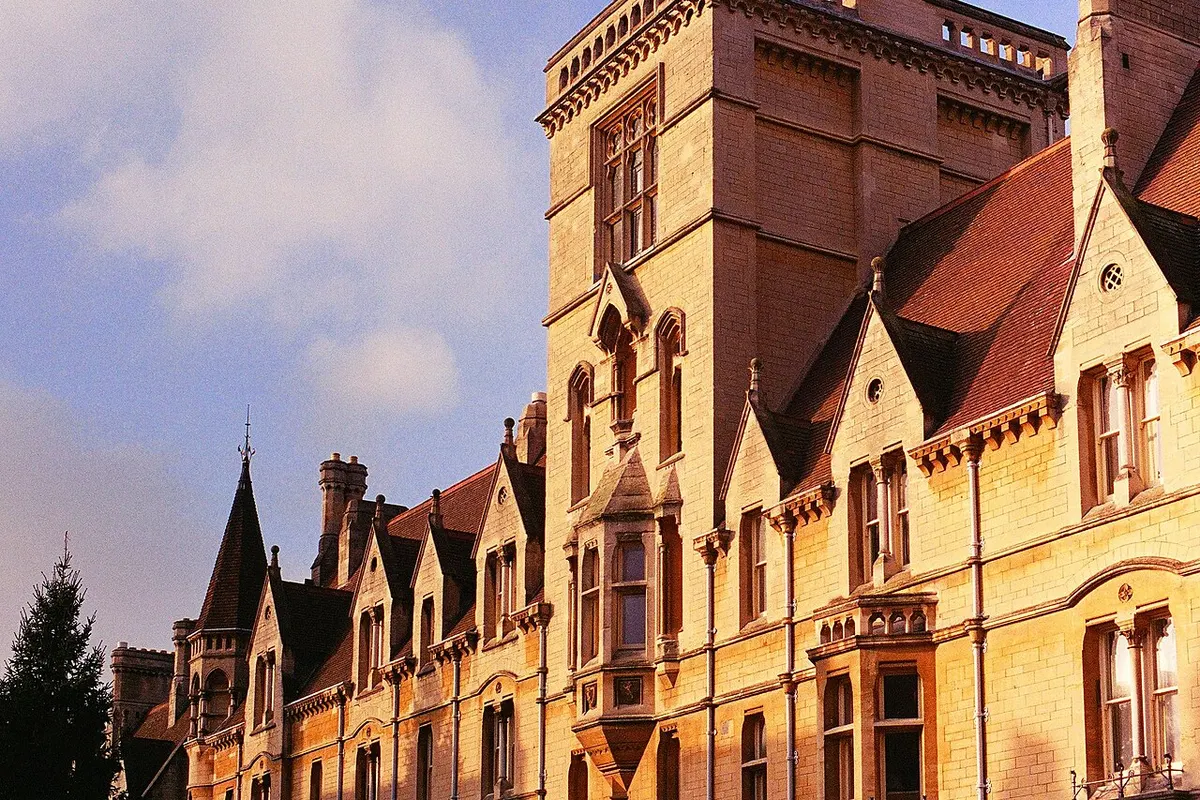
Balliol College

Balliol College

Balliol grew from John de Balliol’s support for Oxford scholars in the thirteenth century. Dervorguilla of Galloway secured its future through an endowment and statutes; today its academic community sits in the centre of Oxford.

  • Medieval origins
  • Dervorguilla’s founding legacy
Official college information ↗
Research sourceswww.balliol.ox.ac.uk ↗
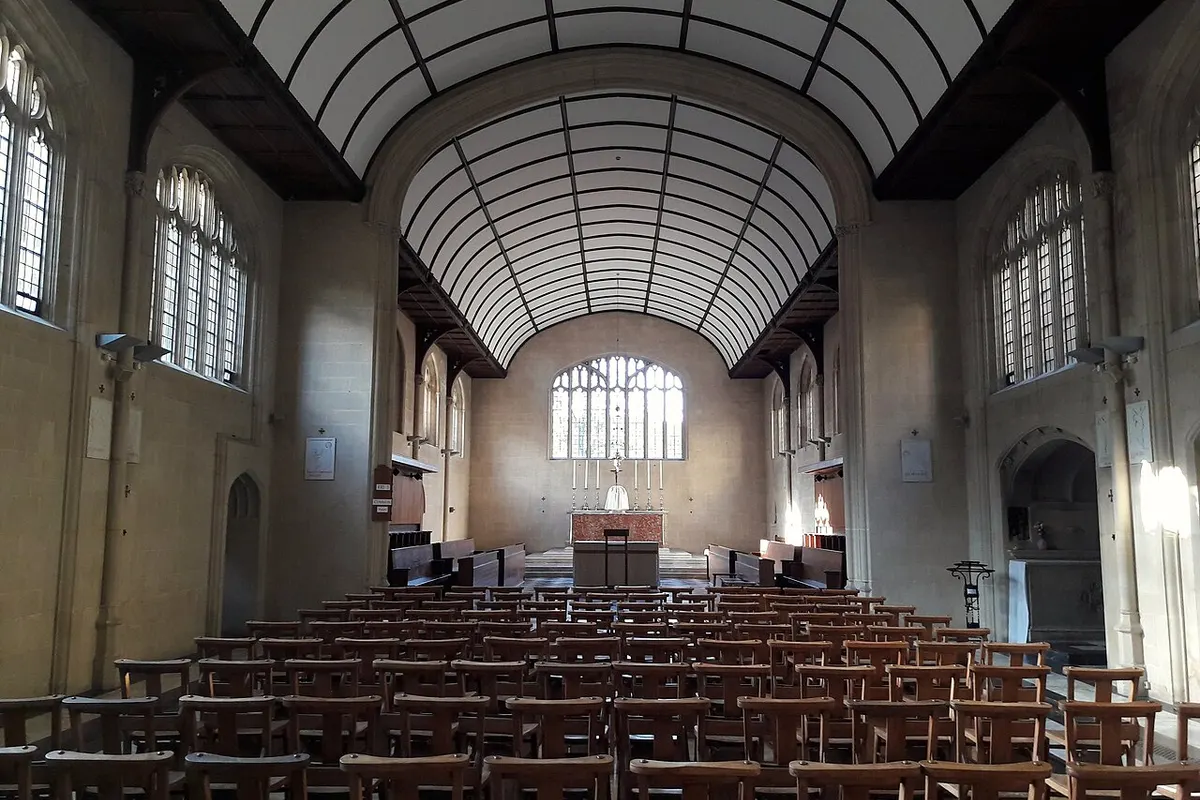
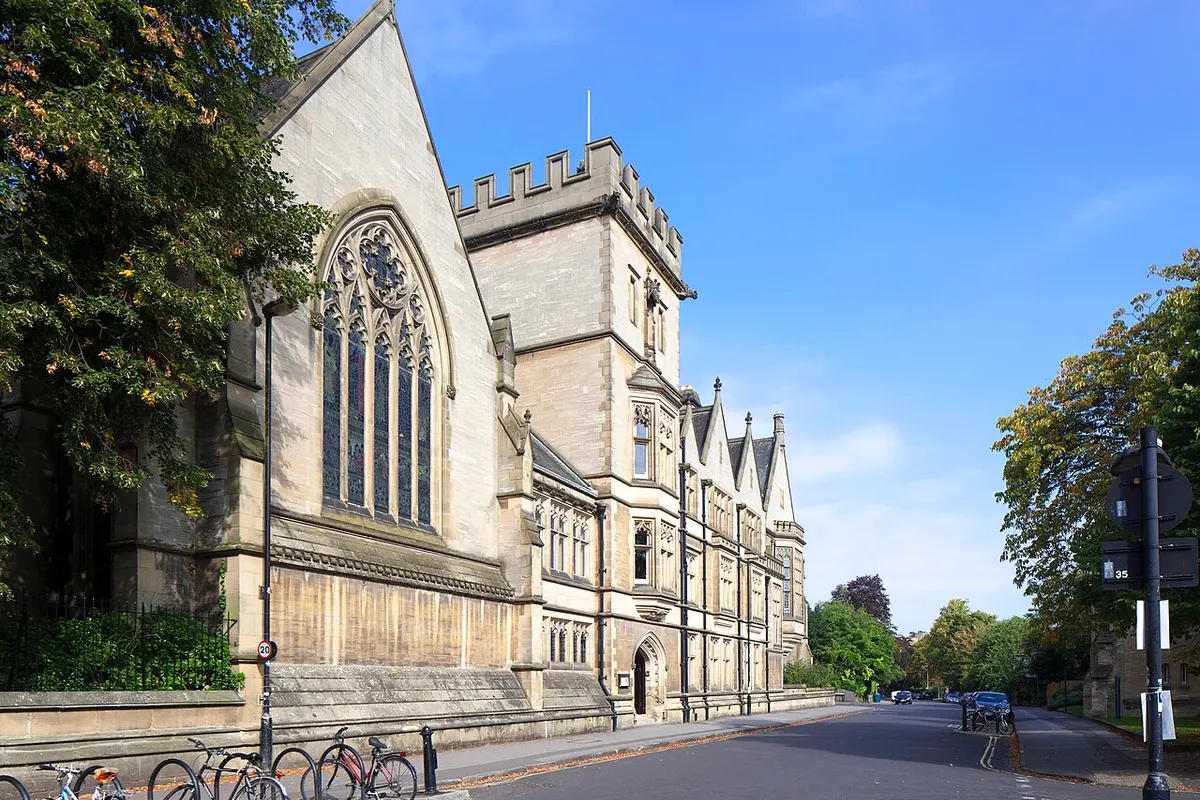
Blackfriars Chapel · Oxford

Blackfriars

Oxford’s Dominican tradition began when friars arrived in 1221. Blackfriars continues that connection between religious life and scholarship, bringing a distinctive theological and philosophical setting to the University’s community of halls and colleges.

  • Dominican heritage
  • Theology and philosophy
Official college information ↗
Research sourceswww.bfriars.ox.ac.uk ↗
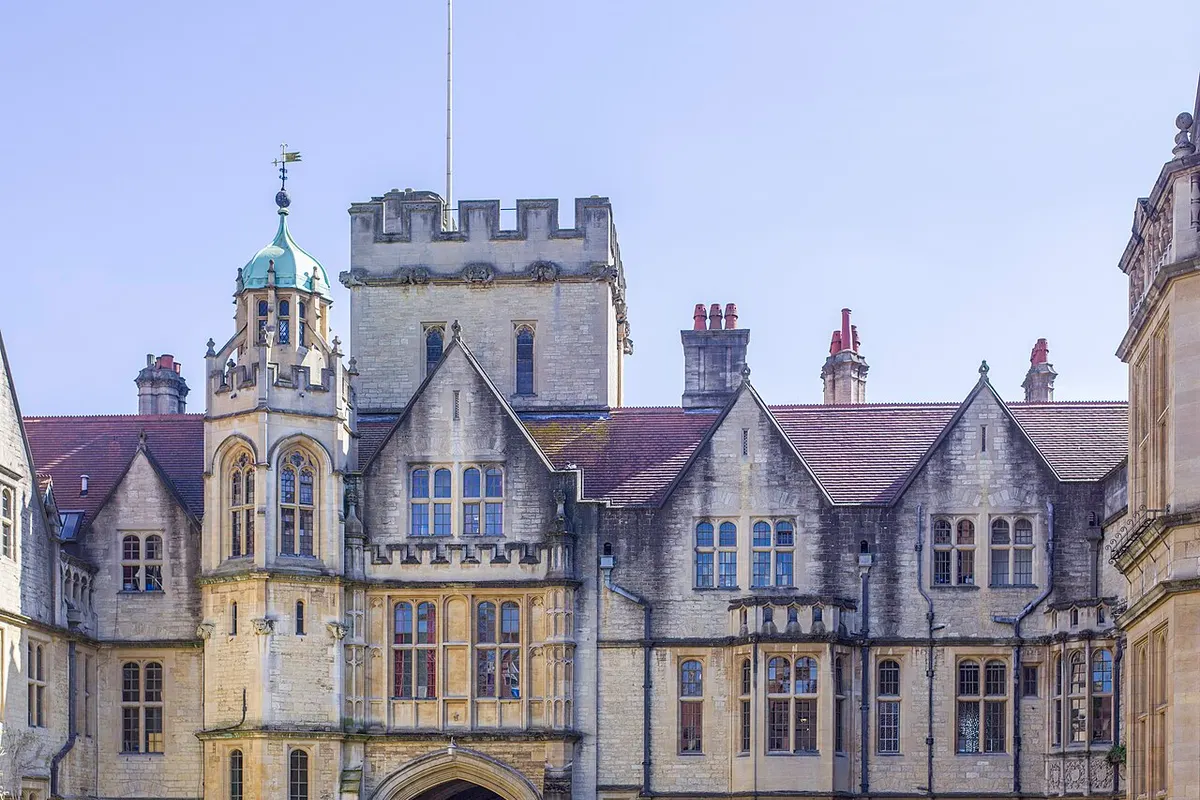
Brasenose College

Brasenose College

Brasenose’s buildings tell a layered story of Oxford life, from Old Quad to the later library, chapel and New Quad. Its small Chapel Quad carries the affectionately surprising nickname “Deer Park”.

  • Historic quadrangles
  • The “Deer Park” courtyard
Official college information ↗
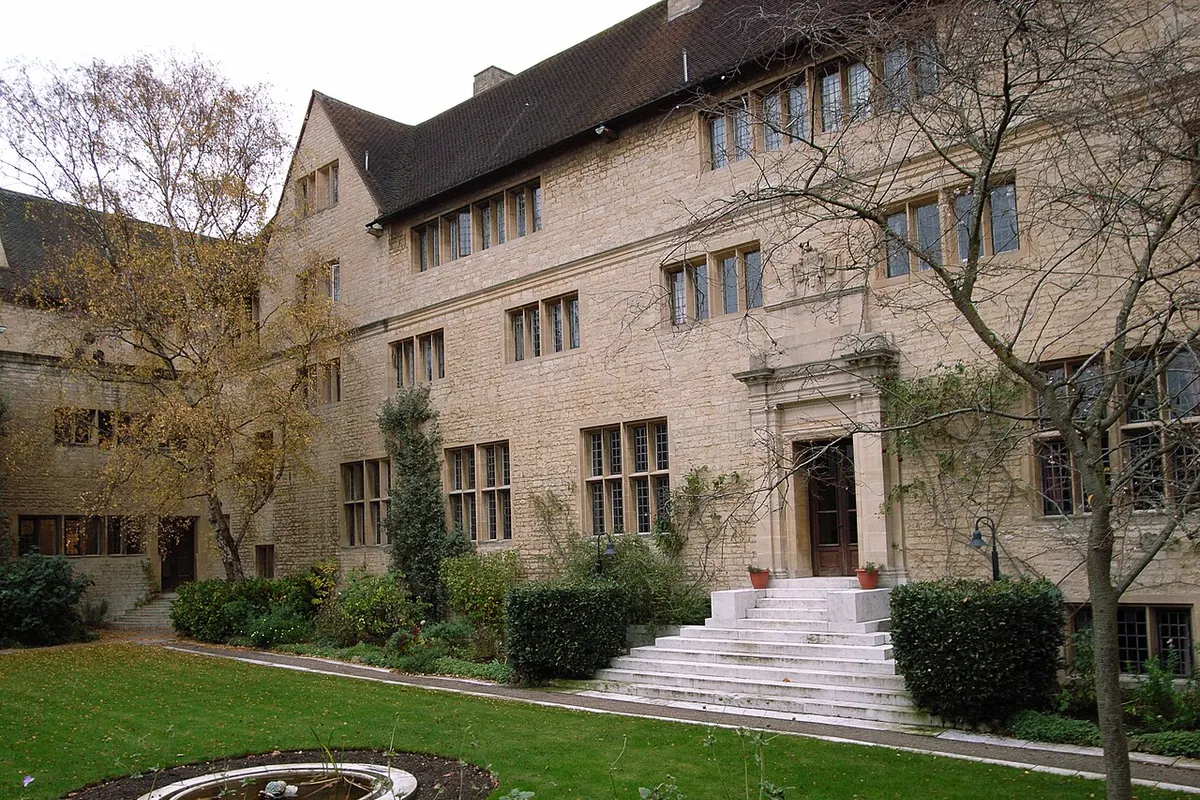
Campion Hall

Campion Hall

Founded by the Society of Jesus in 1896, Campion Hall is Oxford’s Jesuit hall. Its international graduate community brings together academic study, Jesuit educational traditions and an art collection intended to encourage dialogue.

  • Jesuit foundation
  • Art and intellectual dialogue
Official college information ↗
Research sourceswww.campion.ox.ac.uk ↗
Christ Church

Christ Church

Christ Church combines an Oxford college with the city’s cathedral. Its architecture ranges from the Great Quadrangle beneath Wren’s Tom Tower to the Victorian Meadow Building, creating one of Oxford’s most recognisable settings.

  • College and cathedral
  • Tom Quad and Tom Tower
Official college information ↗
Research sourceswww.chch.ox.ac.uk ↗
Corpus Christi College

Corpus Christi College

Founded in 1517, Corpus Christi is a small college in the centre of Oxford. Its close academic community traces its outlook to an early commitment to outward-looking scholarship, with students and Fellows sharing a compact college setting.

  • Founded in 1517
  • Small central-Oxford community
Official college information ↗
Research sourceswww.ccc.ox.ac.uk ↗
Exeter College

Exeter College

Founded in 1314 by Walter de Stapeldon, Exeter is Oxford’s fourth-oldest college. Its early members came largely from Devon and Cornwall; Palmer’s Tower survives from the medieval college within today’s central Oxford site.

  • Founded in 1314
  • Palmer’s Tower
Official college information ↗
Research sourceswww.exeter.ox.ac.uk ↗
Green Templeton College

Green Templeton College

Green Templeton brings together the legacies of Green College and Templeton College. Its graduate community has roots in medicine, applied social science and management, with a continuing interest in connecting academic research and professional practice.

  • Graduate community
  • Research and professional practice
Official college information ↗
Research sourceswww.gtc.ox.ac.uk ↗
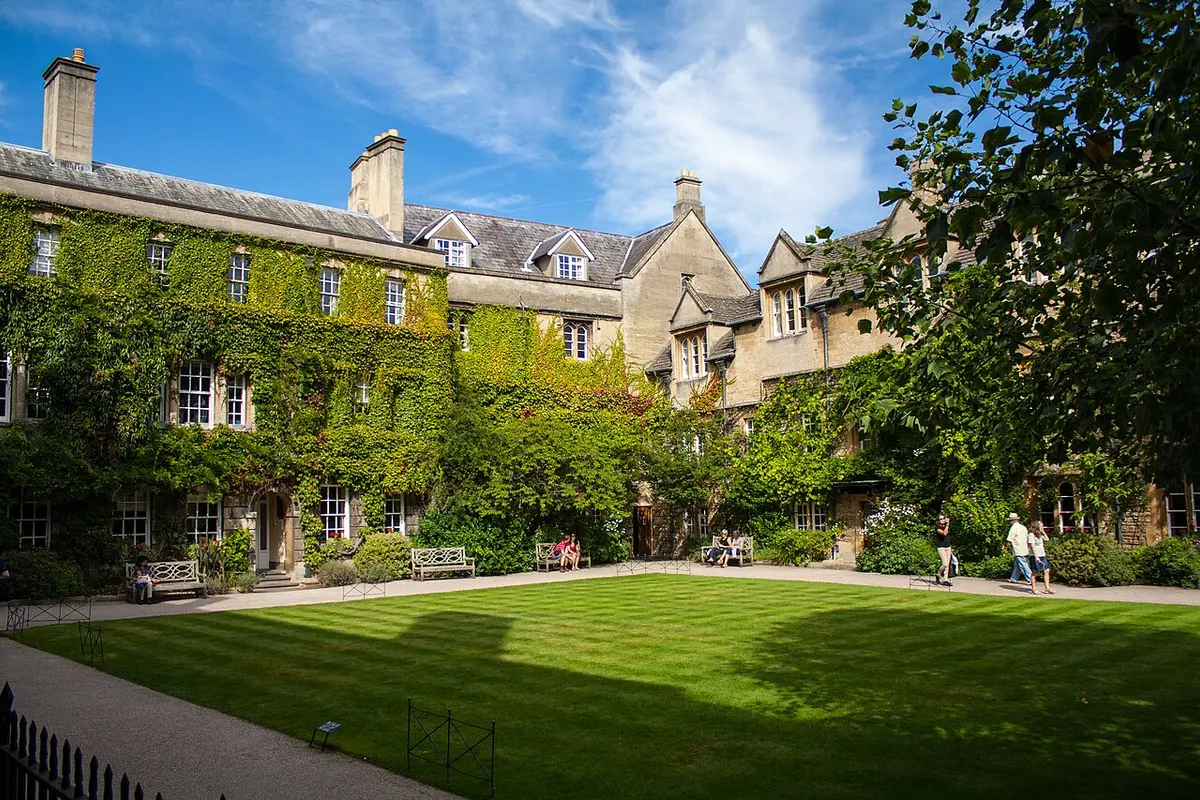
Harris Manchester College

Harris Manchester College

Harris Manchester began in Manchester in 1786, providing education for religious non-conformists excluded elsewhere. Now based in Oxford, it specialises in undergraduate and postgraduate education for mature students, continuing a long history of widening access.

  • Origins in religious dissent
  • Education for mature students
Official college information ↗
Research sourceswww.hmc.ox.ac.uk ↗
Hertford College

Hertford College

Hertford’s buildings span New College Lane, joined by the covered bridge commonly called the Bridge of Sighs. Its history includes medieval halls and a nineteenth-century refoundation, alongside today’s compact academic community in central Oxford.

  • The Bridge of Sighs
  • Historic halls and refoundation
Official college information ↗
Research sourceswww.hertford.ox.ac.uk ↗
Jesus College Library · Oxford

Jesus College

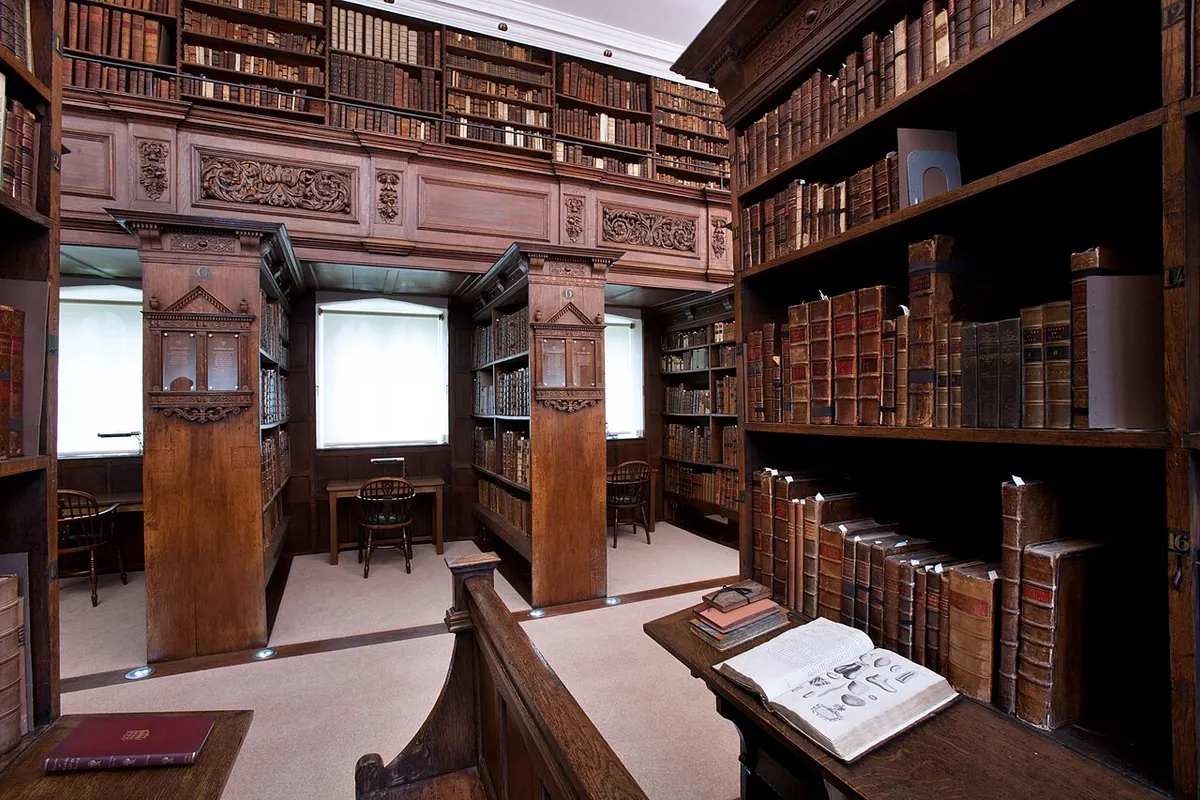
Founded in 1571 by Elizabeth I at Hugh Price’s request, Jesus College has enduring Welsh connections. Its Turl Street site brings together historic quadrangles, a Fellows’ Library and buildings still used for their original college purposes.

  • Welsh connections
  • Founded in 1571
Official college information ↗
Research sourceswww.jesus.ox.ac.uk ↗
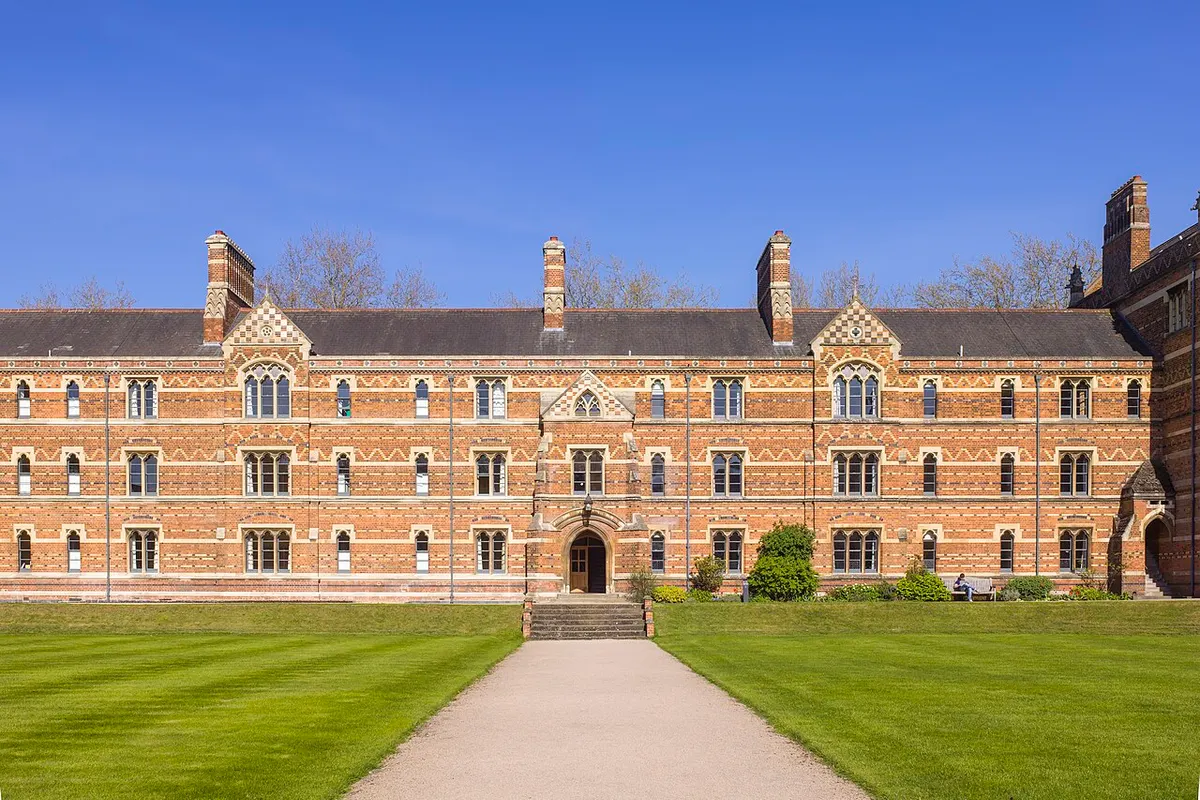
Keble College

Keble College

Keble opened in 1870 in memory of John Keble, a central figure in the Oxford Movement. Its distinctive college setting includes a prominent chapel and a community that has grown into one of Oxford’s largest.

  • Founded in 1870
  • Oxford Movement heritage
Official college information ↗
Research sourceswww.keble.ox.ac.uk ↗
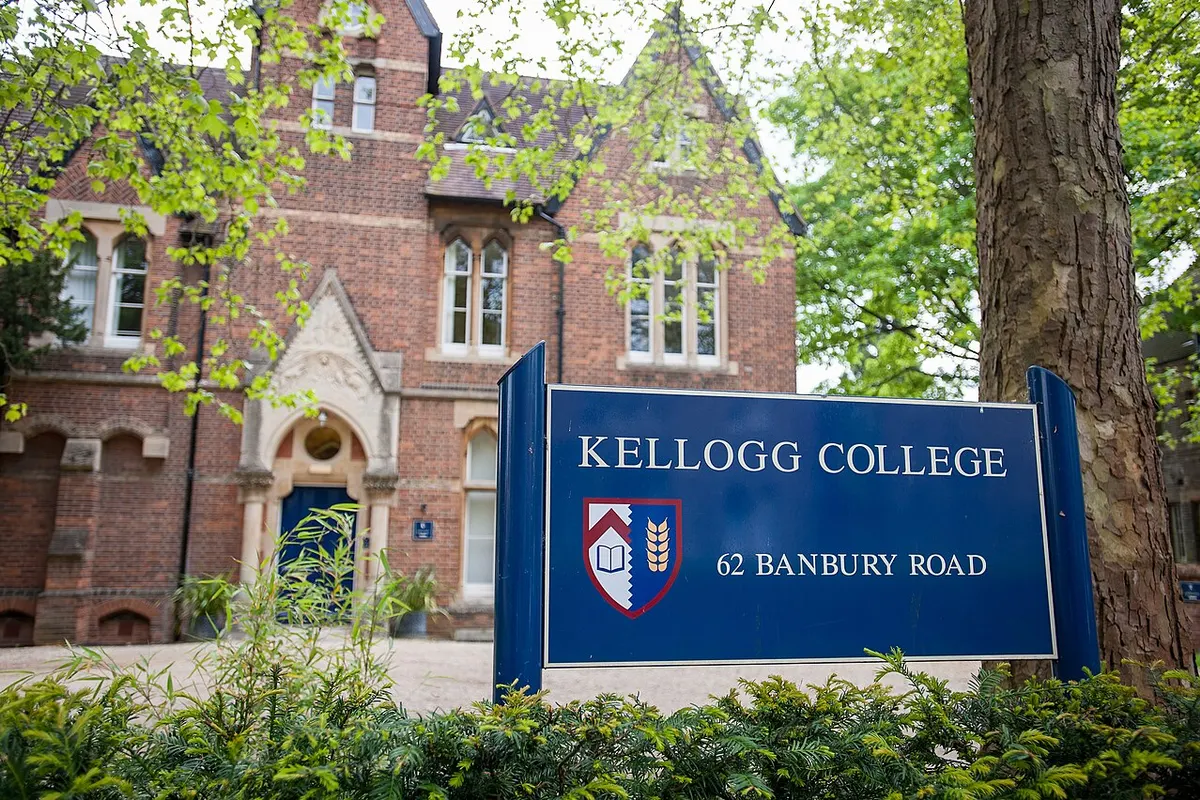
Kellogg College

Kellogg College

Kellogg was founded in 1990 to broaden access to Oxford graduate study. It supports both part-time and full-time students, with a particular place for people combining academic work with professional and personal commitments.

  • Flexible graduate study
  • Founded to widen access
Official college information ↗
Research sourceswww.kellogg.ox.ac.uk ↗
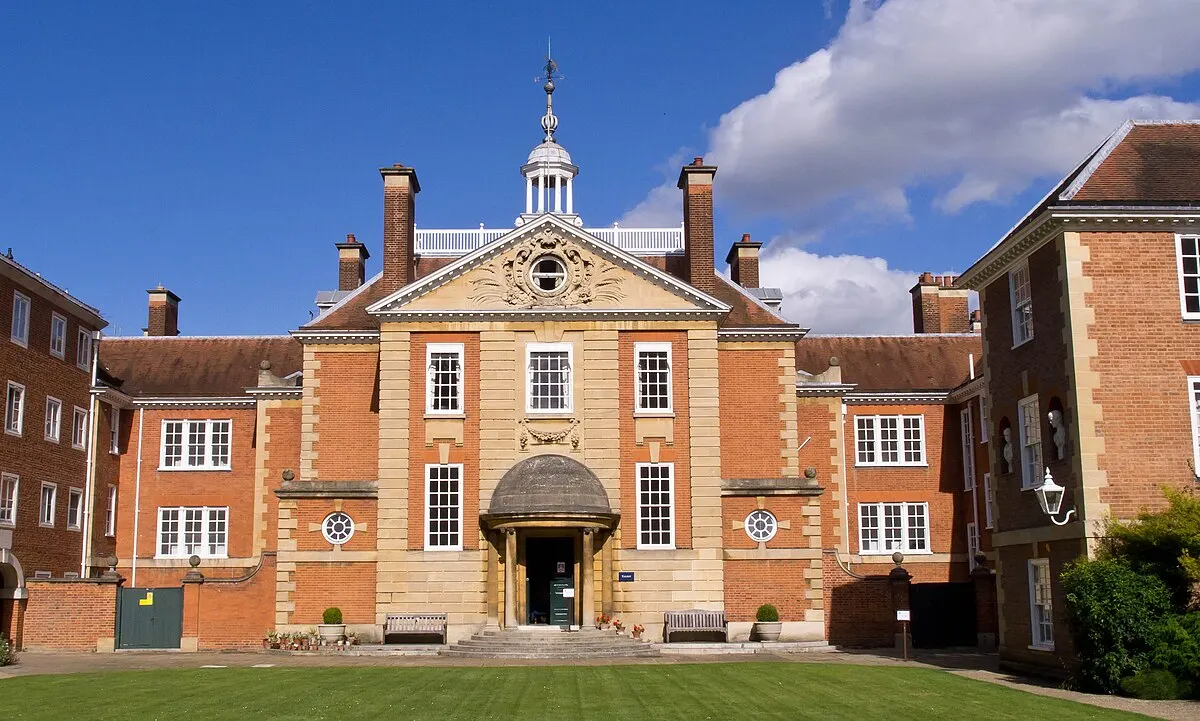
Lady Margaret Hall

Lady Margaret Hall

Lady Margaret Hall opened its doors to nine women in 1879, helping change who could study at Oxford. Its later milestones include admitting men in 1979 and creating an early Oxbridge foundation-year route for under-represented students.

  • Pioneering women’s education
  • Foundation-year access
Official college information ↗
Research sourceswww.lmh.ox.ac.uk ↗
Linacre College

Linacre College

Linacre began in 1962 as a multidisciplinary society for Oxford’s growing graduate population. Now beside the University Parks, it retains an international, interdisciplinary character and a shared common room for its academic community.

  • Interdisciplinary graduate study
  • Beside the University Parks
Official college information ↗
Research sourceswww.linacre.ox.ac.uk ↗
Lincoln College

Lincoln College

Lincoln pairs a small academic community with a long institutional history. Its historic buildings, library collections and archives are central to the college’s heritage, while teaching and research remain the focus of everyday college life.

  • Historic collections and archives
  • Small academic community
Official college information ↗
Research sourceswww.lincoln.ox.ac.uk ↗
Magdalen College

Magdalen College

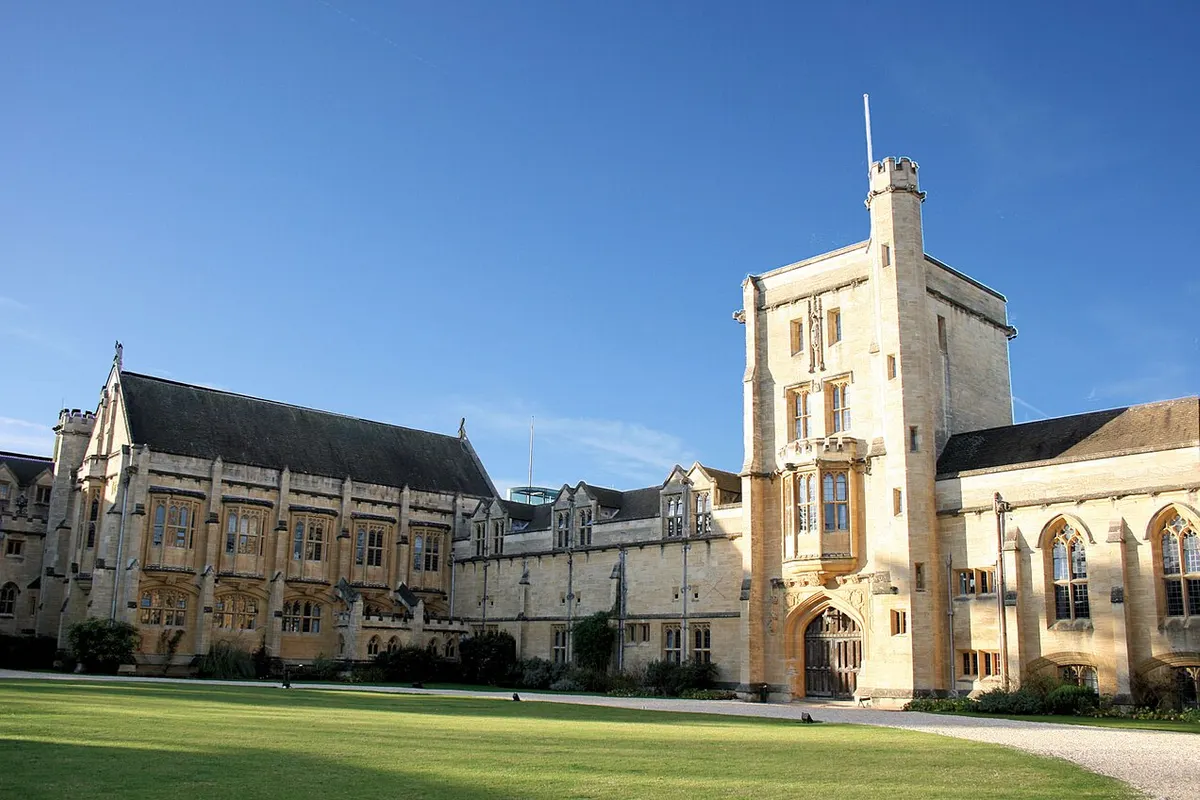
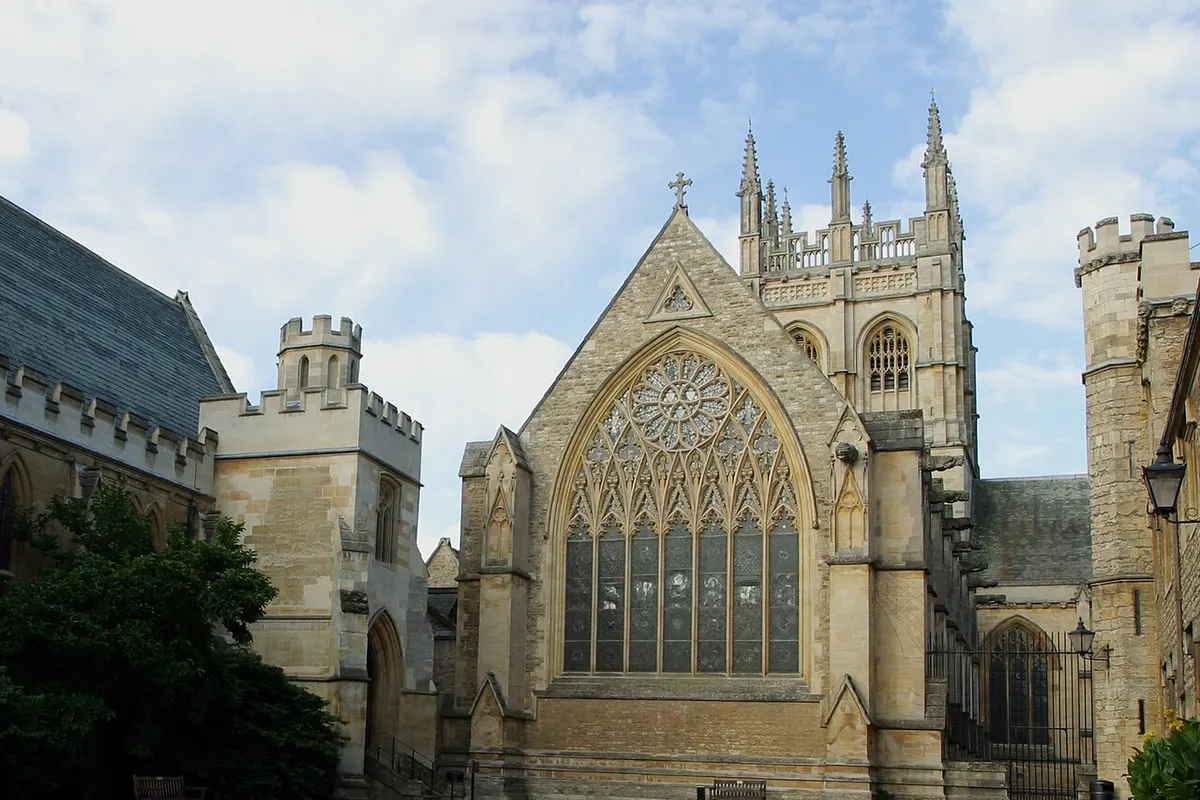
Founded in 1458 by William Waynflete, Magdalen was conceived on a grand scale. Its chapel, hall, library and cloisters reflect that ambition, alongside a long tradition of choral music and scholarly life.

  • Waynflete’s 1458 foundation
  • Chapel and cloisters
Official college information ↗
Research sourceswww.magd.ox.ac.uk ↗
Mansfield College

Mansfield College

Mansfield’s origins lie in a nineteenth-century dissenting theology college. Today its emphasis on access, freedom of conscience and respect for difference sits alongside the Bonavero Institute of Human Rights within its central Oxford grounds.

  • Access and freedom of conscience
  • Bonavero Institute of Human Rights
Official college information ↗
Research sourceswww.mansfield.ox.ac.uk ↗
Merton College

Merton College

Founded in 1264, Merton has a particularly rich library heritage. Its medieval manuscripts and historic library preserve a connection to centuries of academic life, with much of the collection remaining at the college since before the Reformation.

  • Founded in 1264
  • Medieval library collections
Official college information ↗
Research sourceswww.merton.ox.ac.uk ↗
New College

New College

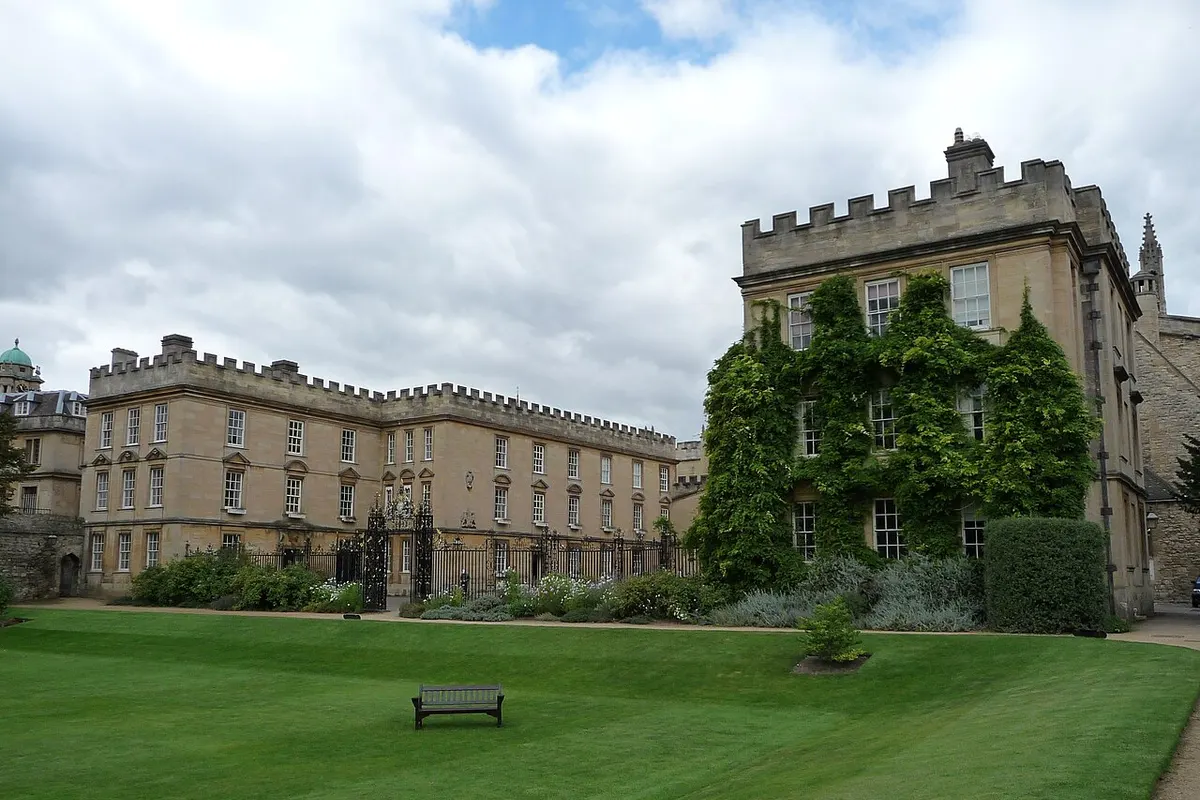
New College’s architecture helped establish the familiar Oxford quadrangle as a model for collegiate life. Its chapel, hall and living spaces form an integrated medieval plan, with peaceful cloisters and surviving sections of the city wall.

  • Influential quadrangle design
  • Cloisters and medieval city wall
Official college information ↗
Research sourceswww.new.ox.ac.uk ↗
Nuffield College

Nuffield College

Founded in 1937 through William Morris’s support, Nuffield specialises in graduate research in the social sciences. Economics, politics and sociology are central to its work, alongside an ambition to connect academic enquiry with public life.

  • Social-science research
  • Founded in 1937
Official college information ↗
Research sourceswww.nuff.ox.ac.uk ↗
Oriel College

Oriel College

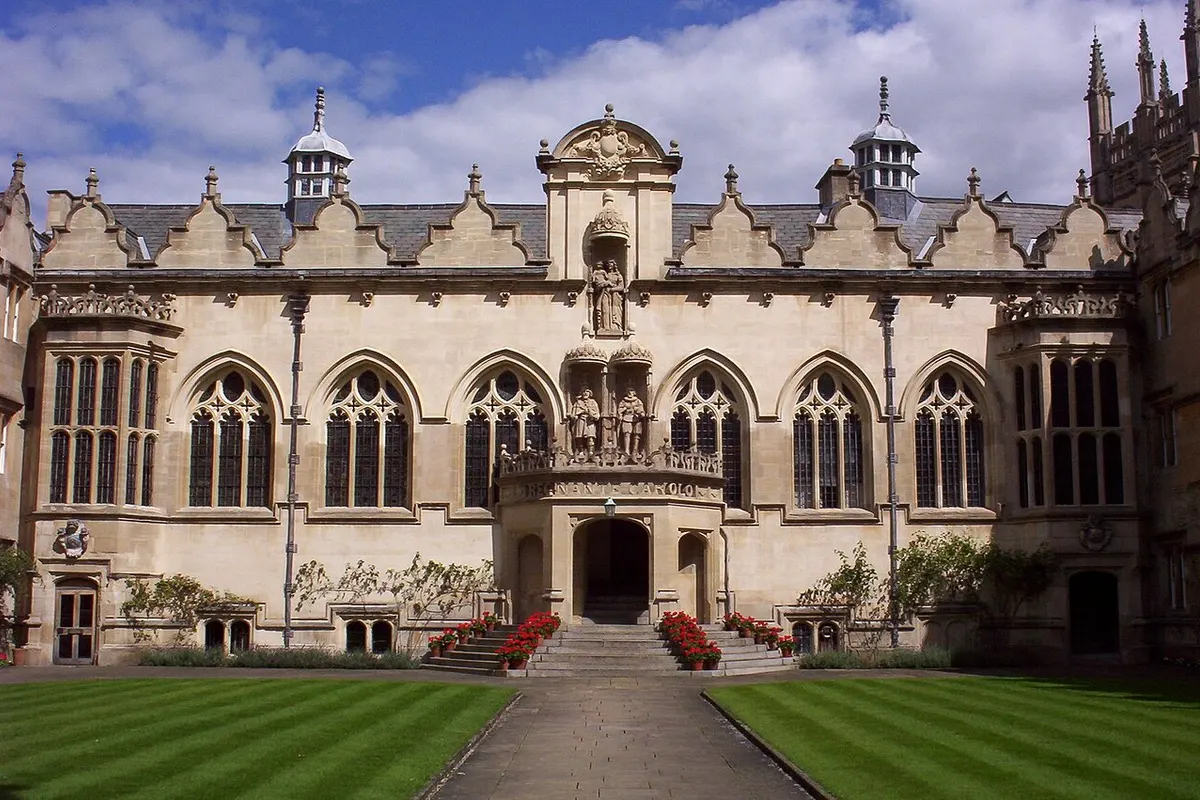
Oriel was founded in 1326 and takes its familiar name from a medieval property called La Oriole. Its history spans a small foundation focused on theology, law and medicine to a college teaching across the disciplines.

  • Founded in 1326
  • The story of La Oriole
Official college information ↗
Research sourceswww.oriel.ox.ac.uk ↗
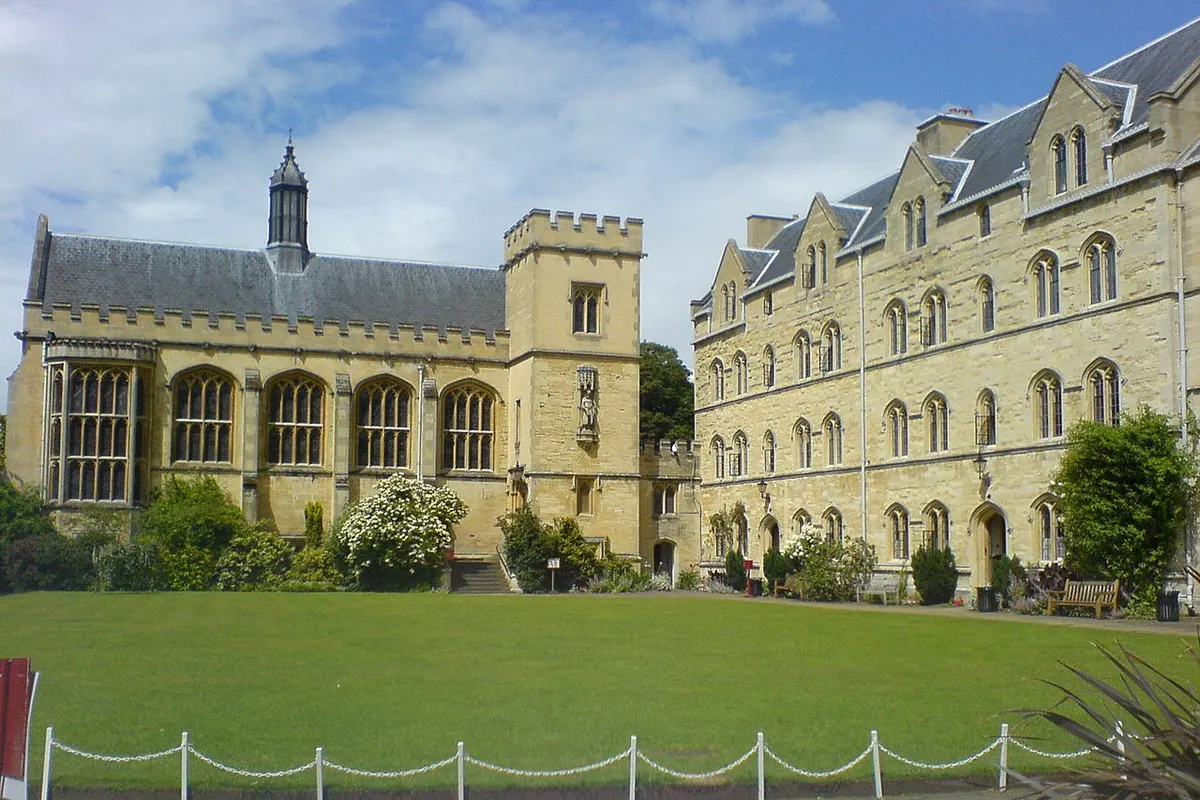
Pembroke College

Pembroke College

Pembroke brings undergraduate teaching and graduate research together in a shared Oxford community. College life includes tutorials, clubs and societies, while its graduate students contribute an interdisciplinary mix of subjects and experience.

  • Research-led teaching
  • Undergraduate and graduate community
Official college information ↗
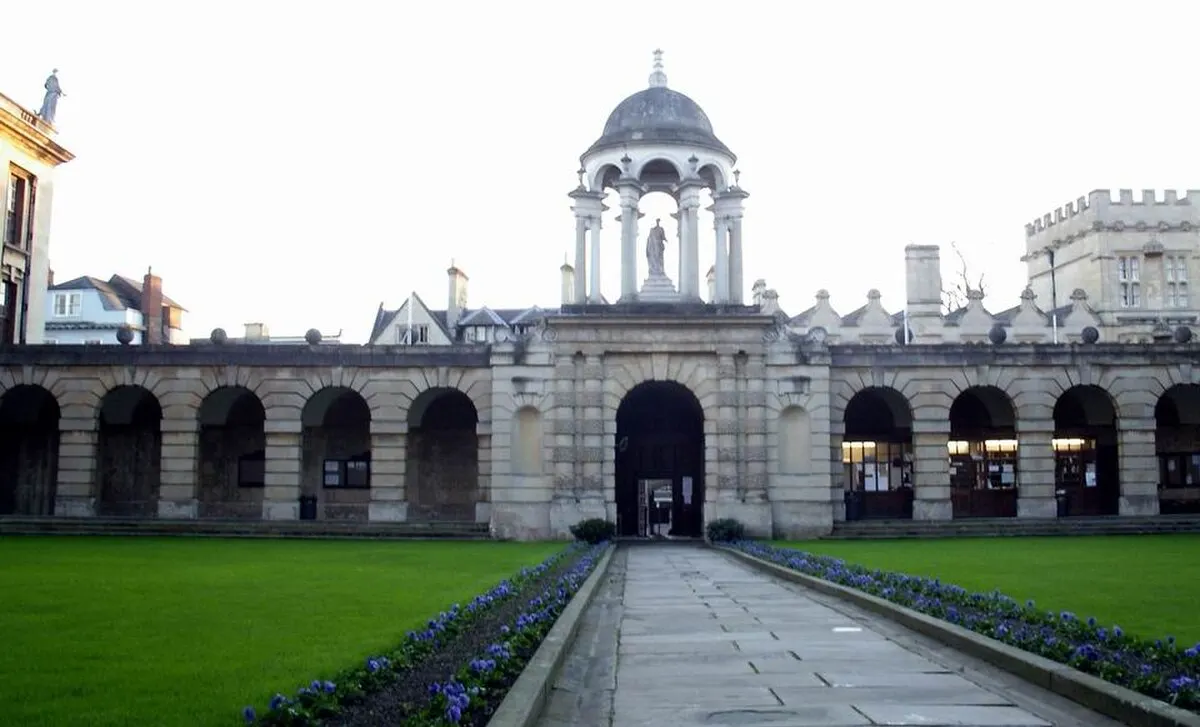
The Queen's College

The Queen's College

Founded in 1341 in honour of Queen Philippa, Queen’s retains historic connections with northern England. Its later rebuilding gave it a particularly distinctive Baroque character, bringing another architectural tradition to Oxford’s college landscape.

  • Baroque college architecture
  • Historic northern connections
Official college information ↗
Research sourceswww.queens.ox.ac.uk ↗
Regent's Park College

Regent's Park College

Regent’s Park is a small Oxford community focused on the arts, humanities and social sciences. Alongside undergraduate and postgraduate study, it prepares students for ordination, bringing a distinctive mix of academic and ministerial education.

  • Arts, humanities and social sciences
  • Ministerial education
Official college information ↗
Research sourceswww.rpc.ox.ac.uk ↗
Reuben College

Reuben College

Reuben is a newer Oxford graduate college built around interdisciplinary exchange. Its college community emphasises bringing different fields into conversation, rather than defining its academic identity through a single traditional subject area.

  • Graduate study
  • Interdisciplinary exchange
Official college information ↗
St Anne's College

St Anne's College

St Anne’s is a large Oxford college with research spanning the arts, humanities, social sciences and sciences. Its leafy grounds and commitment to students from under-represented groups are part of its present-day identity.

  • Broad academic community
  • Leafy college grounds
Official college information ↗
Research sourceswww.st-annes.ox.ac.uk ↗
St Antony's College

St Antony's College

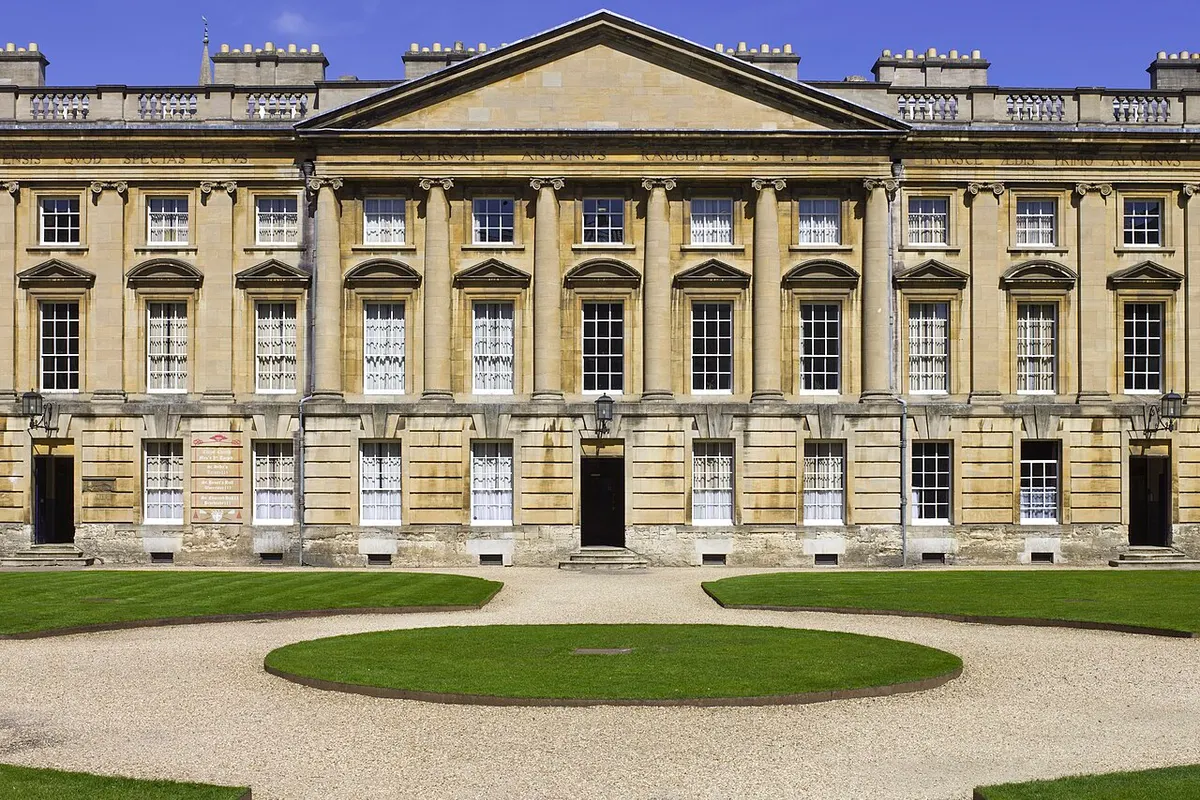
Founded in 1950 with Antonin Besse’s support, St Antony’s was conceived as an international graduate college. Its regional study centres connect scholarship in international history, politics, economics and the study of different parts of the world.

  • International graduate community
  • Regional and area studies
Official college information ↗
Research sourceswww.sant.ox.ac.uk ↗
St Catherine's College

St Catherine's College

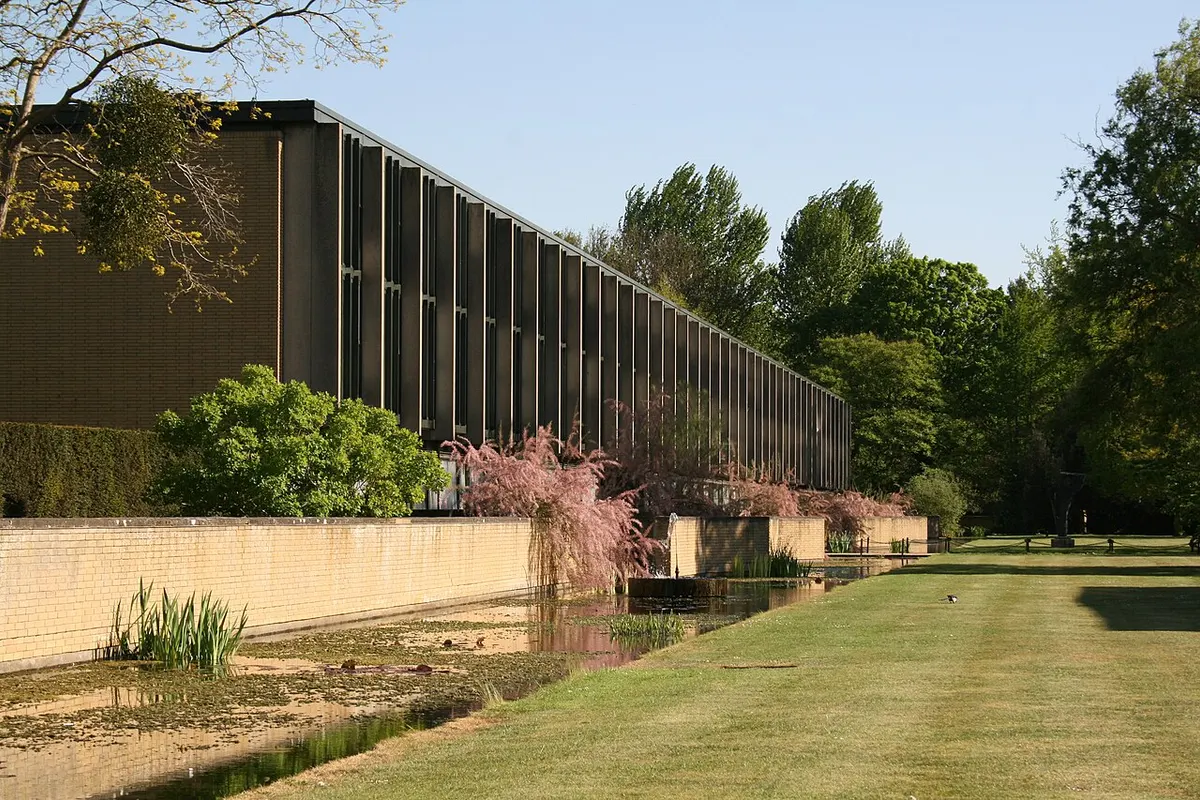
St Catherine’s modern college was founded in 1962, with buildings designed by Danish architect Arne Jacobsen. Its secular, modernist setting reflects roots in a scheme that made Oxford study possible without traditional college membership.

  • Arne Jacobsen architecture
  • Non-collegiate origins
Official college information ↗
Research sourceswww.stcatz.ox.ac.uk ↗
St Cross College

St Cross College

St Cross is an Oxford college dedicated to graduate students and Fellows. Its central St Giles’ setting brings historic quadrangles together with an international community and an emphasis on conversation across academic disciplines.

  • Graduate community
  • Central St Giles’ location
Official college information ↗
Research sourceswww.stx.ox.ac.uk ↗
St Edmund Hall

St Edmund Hall

Affectionately called Teddy Hall, St Edmund Hall combines a central Oxford setting with undergraduate and postgraduate communities. Its graduate students study across many disciplines, with college life centred on academic exchange, common-room life and shared activities.

  • Known as Teddy Hall
  • Undergraduate and postgraduate life
Official college information ↗
Research sourceswww.seh.ox.ac.uk ↗
St Hilda's College

St Hilda's College

St Hilda’s began in 1893 when Dorothea Beale founded a hall for women studying at Oxford. It became a college by Royal Charter in 1926 and admitted its first male students in 2008.

  • Dorothea Beale’s foundation
  • Women’s educational heritage
Official college information ↗
Research sourceswww.st-hildas.ox.ac.uk ↗
St Hugh's College

St Hugh's College

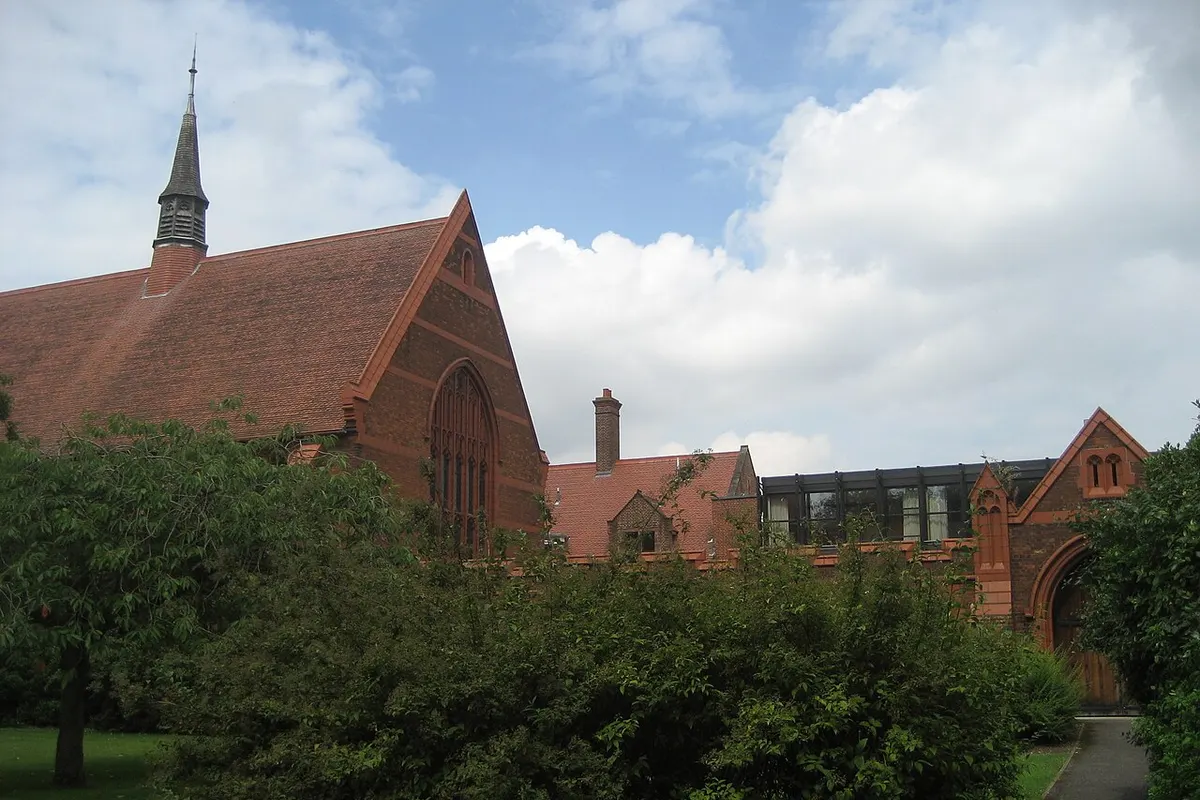
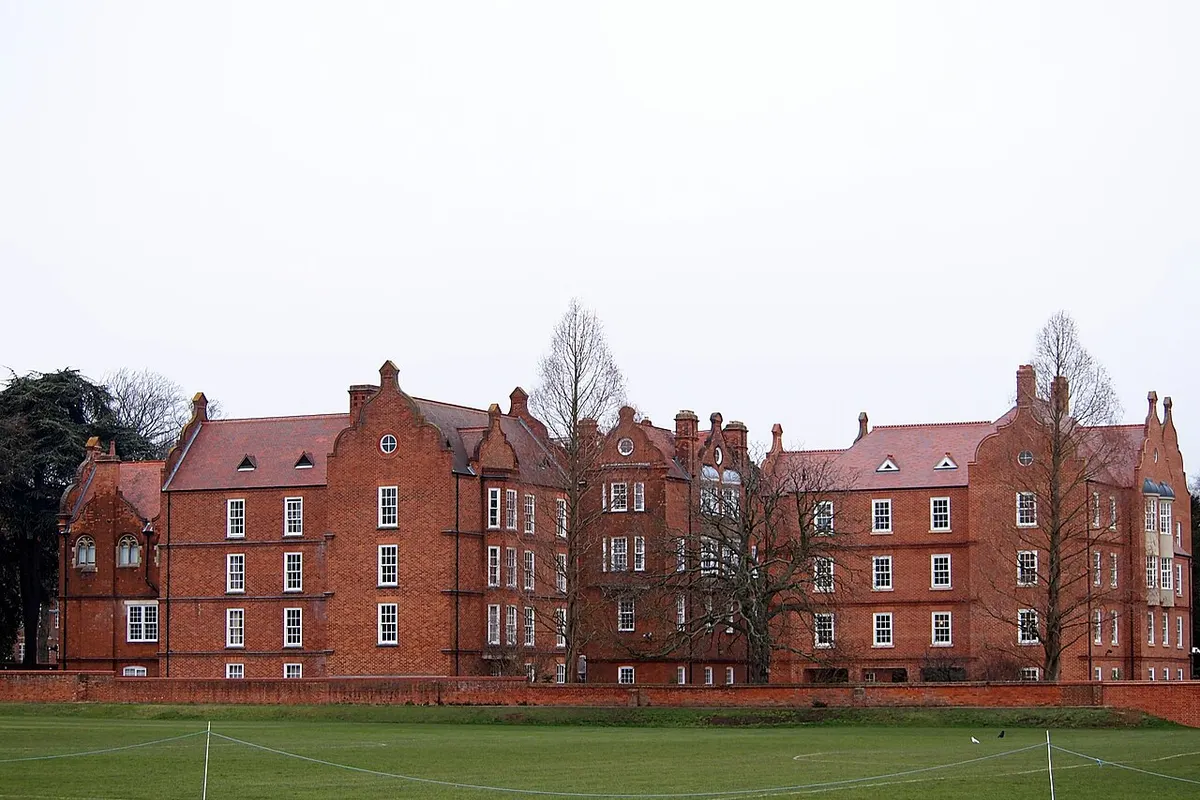
Founded in 1886 with a commitment to broadening educational access, St Hugh’s occupies an unusually spacious Oxford setting. Its Edwardian red-brick buildings sit within extensive green grounds in the north of the city.

  • Founded in 1886
  • Edwardian buildings and green grounds
Official college information ↗
Research sourceswww.st-hughs.ox.ac.uk ↗
St John's College

St John's College

St John’s was founded in 1555 by the London merchant Sir Thomas White. Today its central Oxford grounds combine historic buildings and gardens with modern facilities, forming a setting for teaching, research and college life.

  • Sir Thomas White’s foundation
  • Historic buildings and gardens
Official college information ↗
Research sourceswww.sjc.ox.ac.uk ↗www.sjc.ox.ac.uk ↗
St Peter's College

St Peter's College

St Peter’s was founded in 1929 to make an Oxford education available to students regardless of means or background. Its central site supports a varied undergraduate and postgraduate community with a continuing emphasis on educational opportunity.

  • Founded in 1929
  • Educational access
Official college information ↗
Research sourceswww.spc.ox.ac.uk ↗
Somerville College

Somerville College

Somerville was founded in 1879 to open Oxford education to women. Its origins as a non-denominational hall helped establish an inclusive academic tradition, which the college continues through its work on educational access and sanctuary.

  • Pioneering women’s education
  • Non-denominational origins
Official college information ↗
Research sourceswww.some.ox.ac.uk ↗www.some.ox.ac.uk ↗
University College

University College

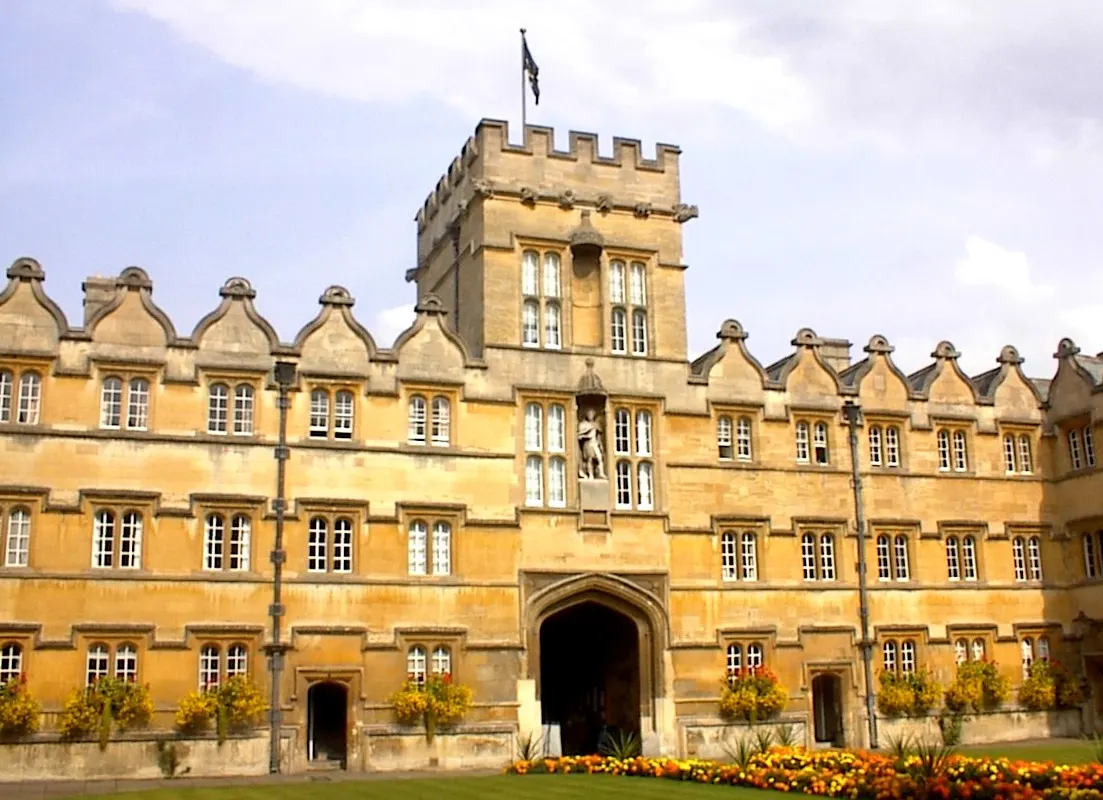
Known as Univ, University College dates its foundation to 1249. Its central Oxford community combines a long history with teaching and research across the humanities, sciences and social sciences, alongside initiatives to widen educational opportunity.

  • Founded in 1249
  • Known as Univ
Official college information ↗
Research sourceswww.univ.ox.ac.uk ↗
Wadham College

Wadham College

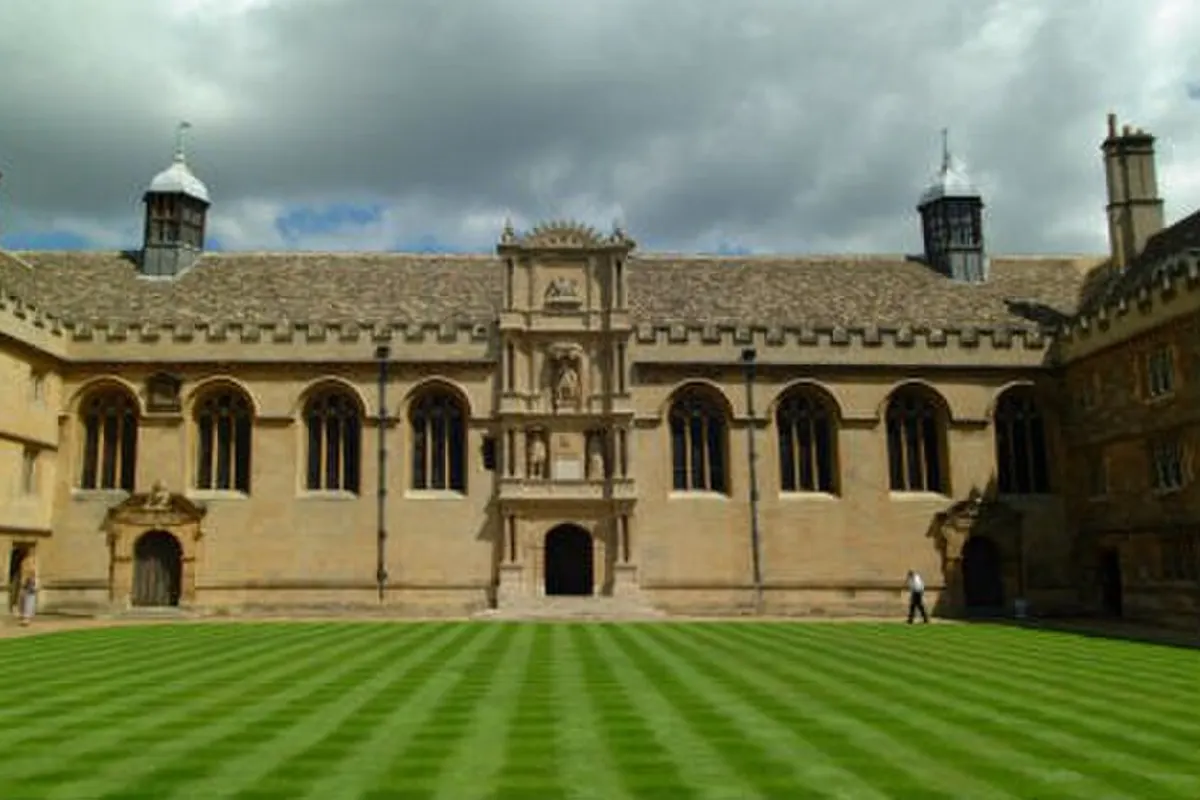
Wadham’s seventeenth-century foundation grew from Dorothy Wadham’s ambition to create an Oxford college. Its present-day community continues an emphasis on openness, bringing teaching and research together among historic buildings and gardens.
  • Dorothy Wadham’s foundation
  • Historic buildings and gardens
Official college information ↗
Research sourceswww.wadham.ox.ac.uk ↗
Wolfson College

Wolfson College

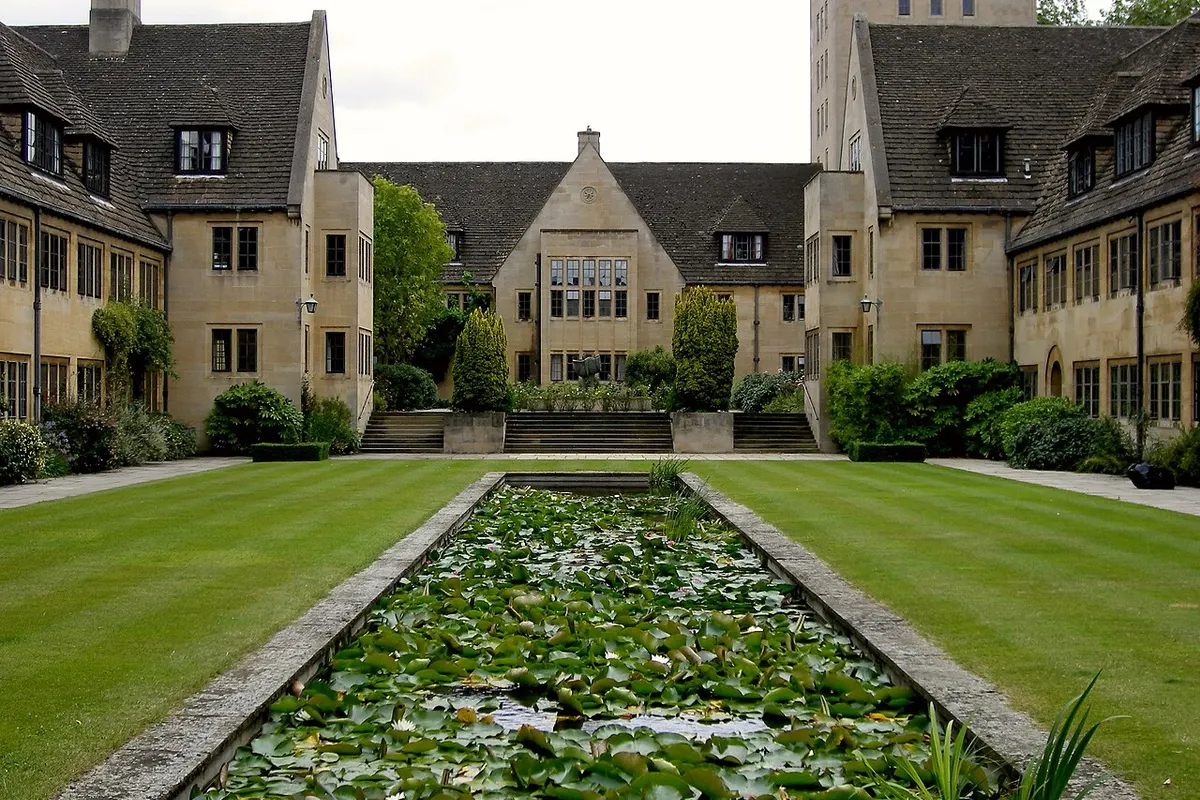
Wolfson’s architecture opens towards the River Cherwell and the countryside east of Oxford. Its graduate research community shares a setting deliberately designed to offer a different form of college life from Oxford’s traditional enclosed quadrangles.

  • River Cherwell setting
  • A different collegiate architecture
Official college information ↗
Research sourceswww.wolfson.ox.ac.uk ↗
Worcester College

Worcester College

Worcester’s grounds preserve traces of the medieval Gloucester College, a place of study for Benedictine monks. The surviving cottages and historic accommodation make that earlier scholarly community visible within the college today.

  • Medieval Benedictine origins
  • Surviving college cottages
Official college information ↗
Research sourceswww.worc.ox.ac.uk ↗
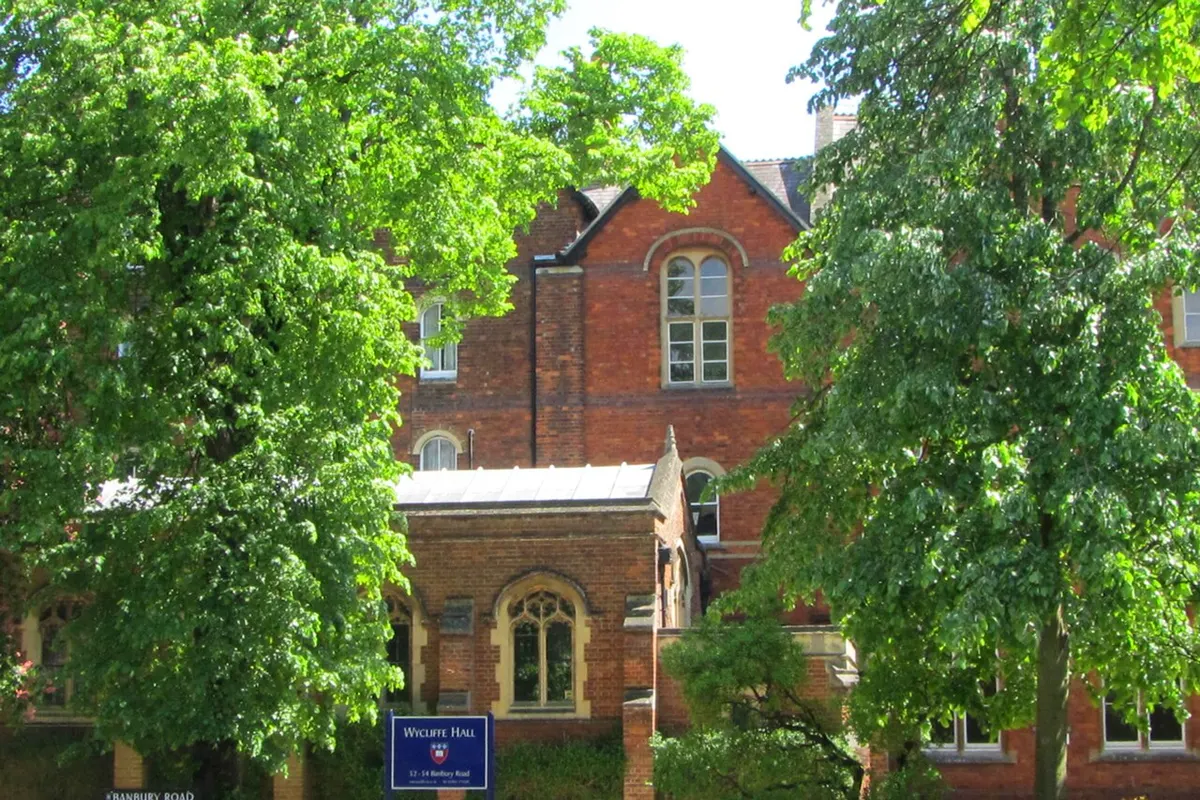
Wycliffe Hall

Wycliffe Hall

Wycliffe Hall combines University of Oxford study with a Christian academic community. Its programmes bring theological education into conversation with the city’s long history of religious scholarship, ministry and debate.

  • Theological education
  • Christian academic community
Official college information ↗
Research sourceswww.wycliffe.ox.ac.uk ↗

University of Cambridge

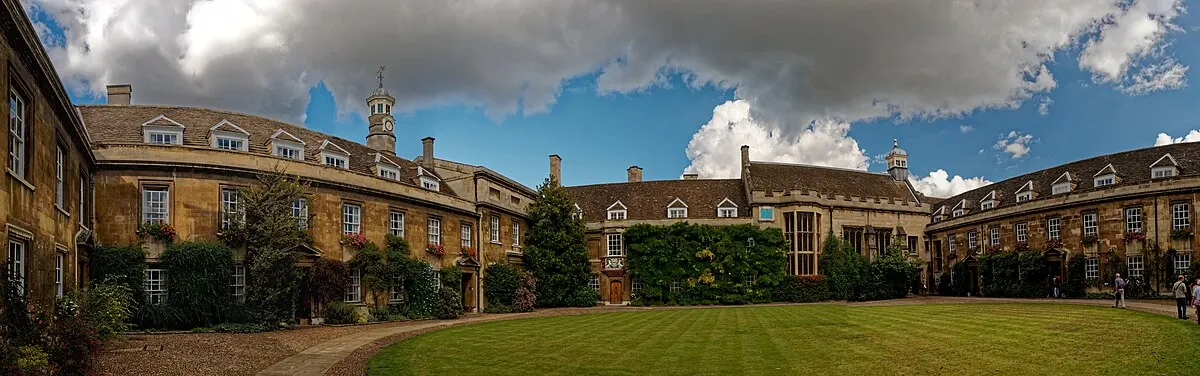
Christ's College

Christ's College

Christ’s combines a central Cambridge setting with an academic tradition that includes Charles Darwin. Its current community teaches across a wide range of subjects, with scholarship, extracurricular interests and long-standing alumni connections all part of college life.

  • Connections with Charles Darwin
  • Central Cambridge setting
Official college information ↗
Research sourceswww.christs.cam.ac.uk ↗
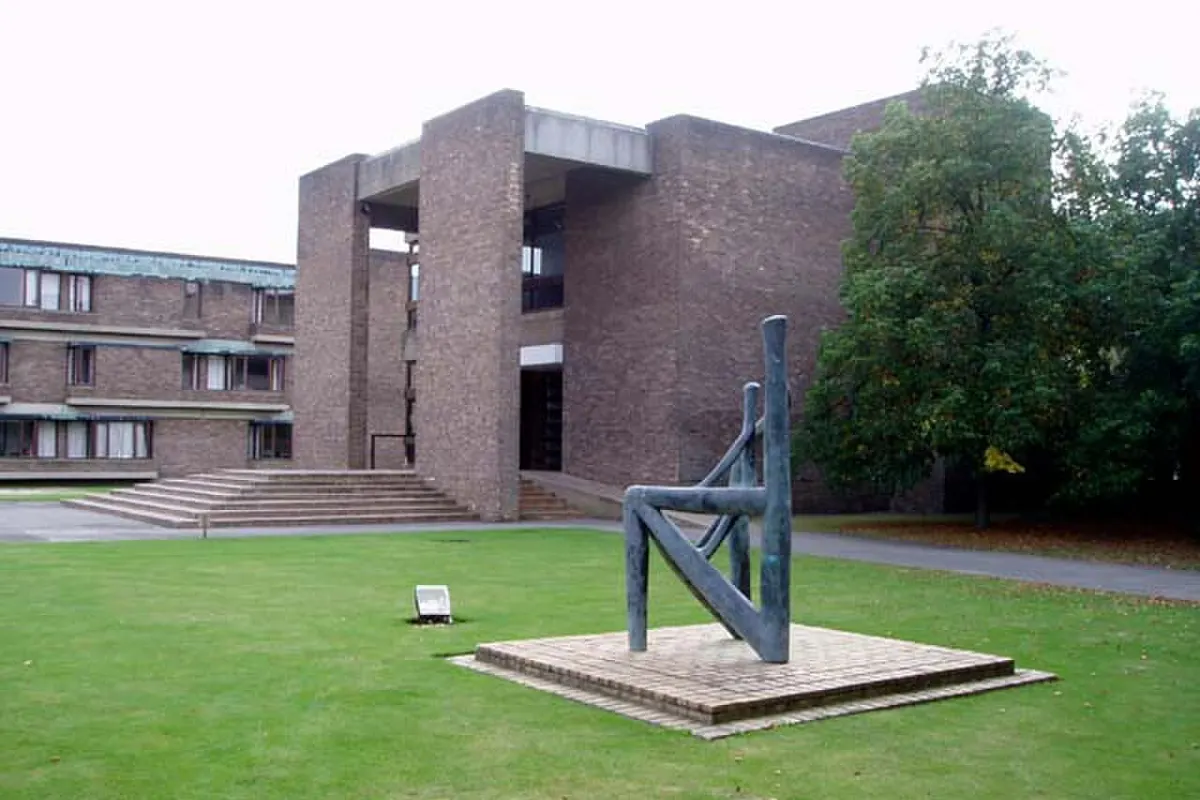
Churchill College

Churchill College

Churchill occupies a spacious parkland campus with accommodation, sporting and cultural facilities together on site. It is also home to the Churchill Archives Centre, an important collection for the study of twentieth-century history.

  • Parkland campus
  • Churchill Archives Centre
Official college information ↗
Research sourceswww.chu.cam.ac.uk ↗
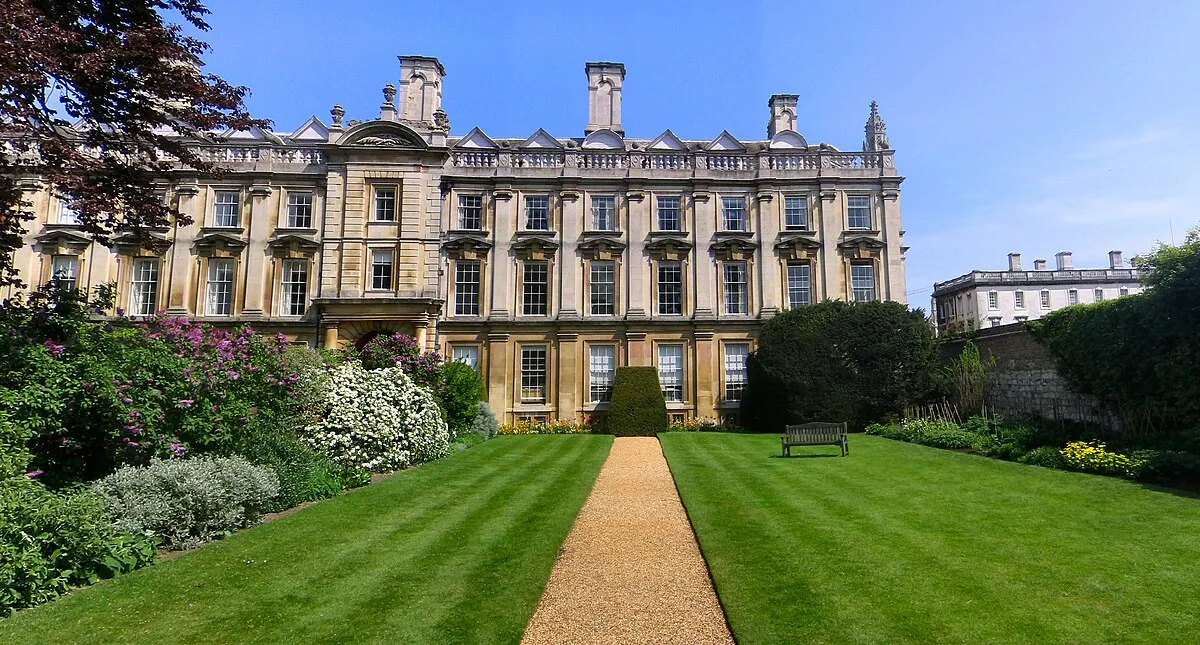
Clare College

Clare College

Founded in 1326, Clare is Cambridge’s second-oldest college. Seventeenth-century architecture, gardens and a central riverside site give it a distinctive physical setting, alongside an academic community of undergraduate and postgraduate students.

  • Founded in 1326
  • Riverside gardens and architecture
Official college information ↗
Research sourceswww.clare.cam.ac.uk ↗
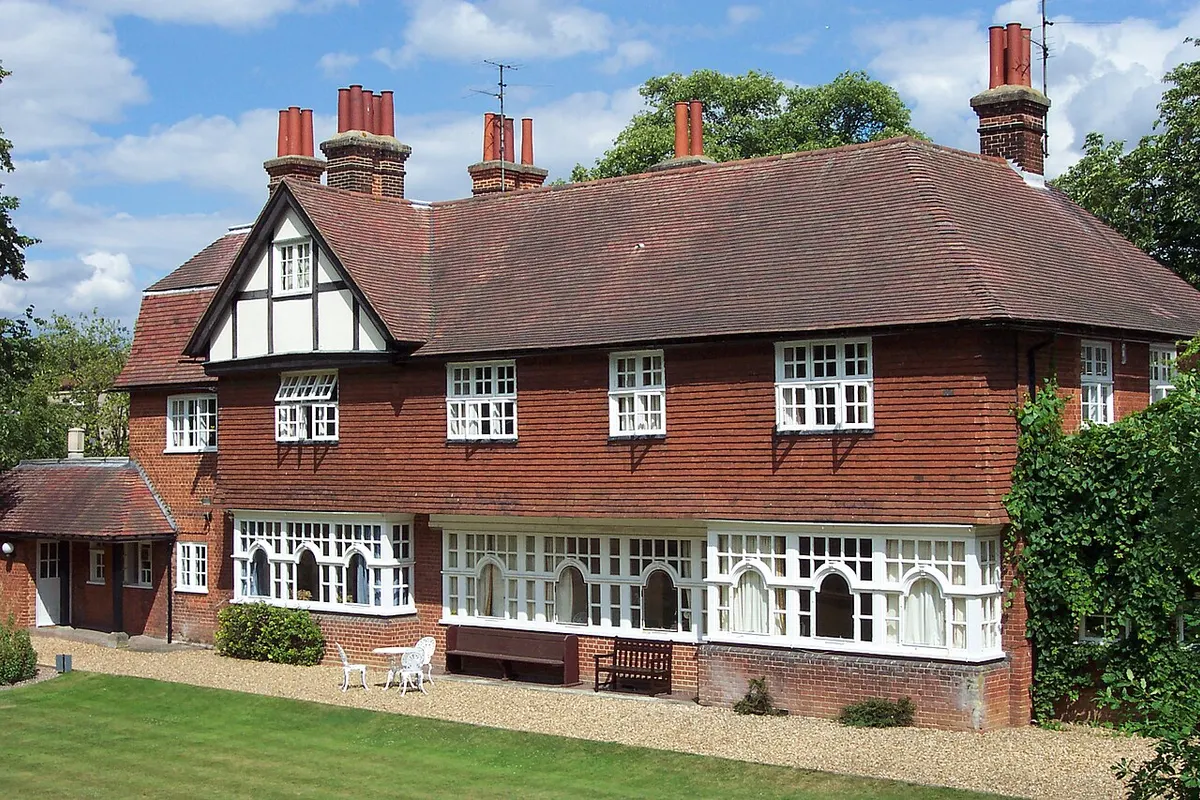
Elmside House · Clare Hall

Clare Hall

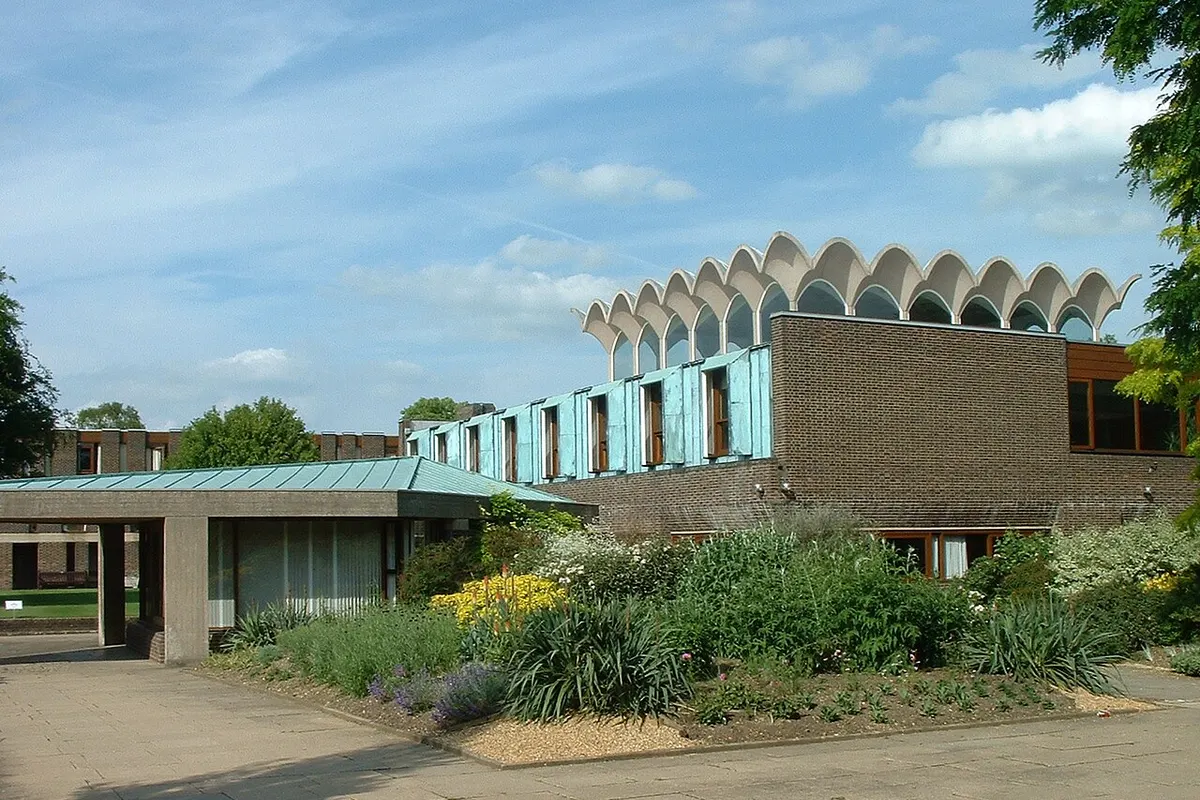
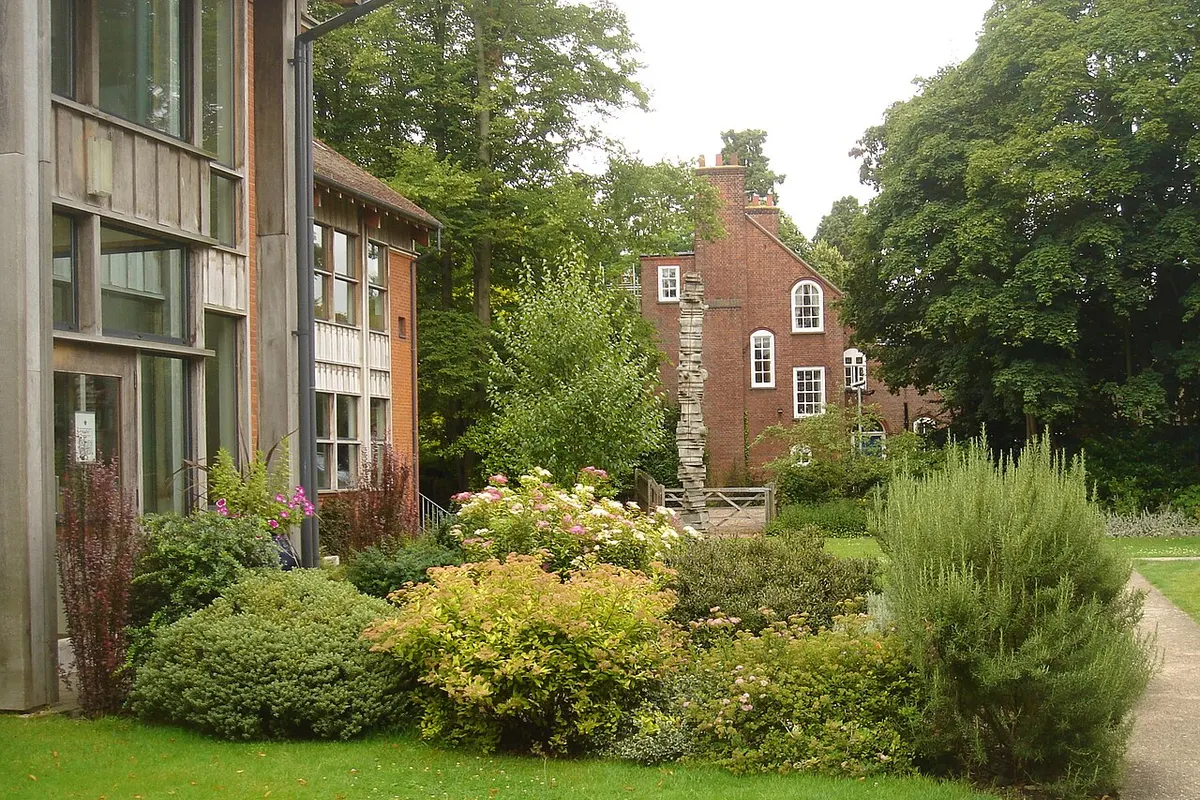
Founded by Clare College in 1966, Clare Hall was created for advanced study. Its informal graduate community includes researchers, visiting scholars and their families, with modernist architecture and grounds to the west of central Cambridge.

  • Advanced study and visiting scholars
  • Modernist college setting
Official college information ↗
Research sourceswww.clarehall.cam.ac.uk ↗
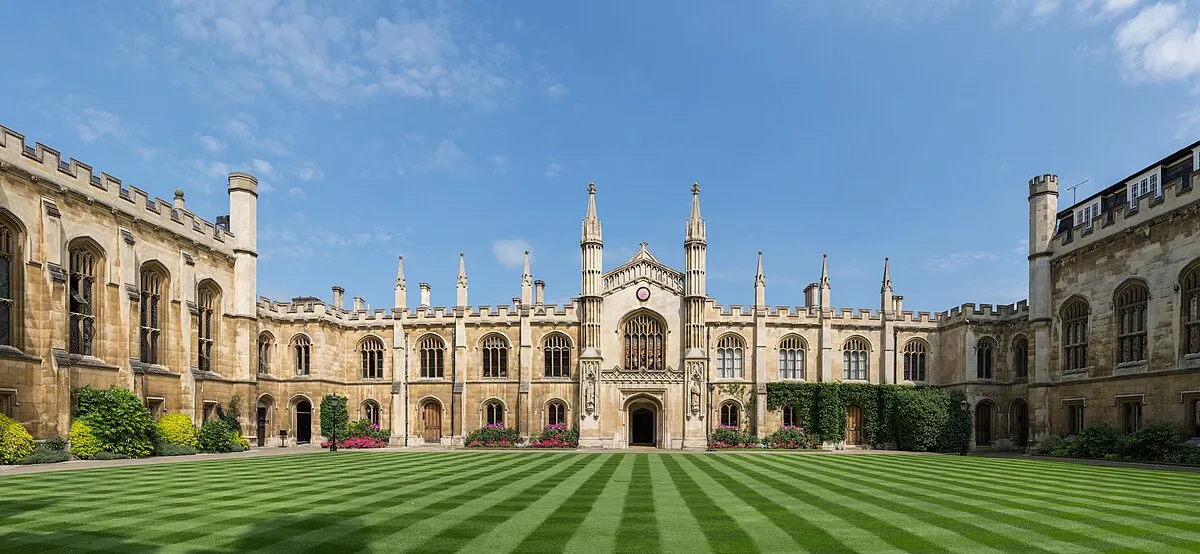
New Court at Corpus Christi College, Cambridge

Corpus Christi College

Corpus Christi was founded in 1352 by two Cambridge town guilds, an unusual civic origin among the colleges. Its long history is preserved in its archives and the Parker Library’s collections of manuscripts and early books.

  • Founded by town guilds
  • Parker Library collections
Official college information ↗
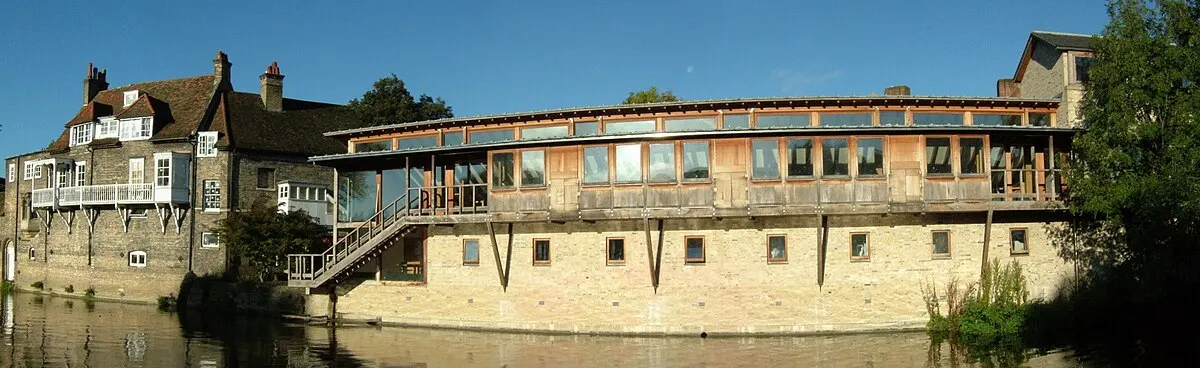
Darwin College

Darwin College

Darwin opened in 1964 as Cambridge’s first exclusively postgraduate college and its first mixed college. Its riverside community retains an international and interdisciplinary character, with students studying across the University’s postgraduate subjects.

  • Postgraduate community
  • Riverside setting
Official college information ↗
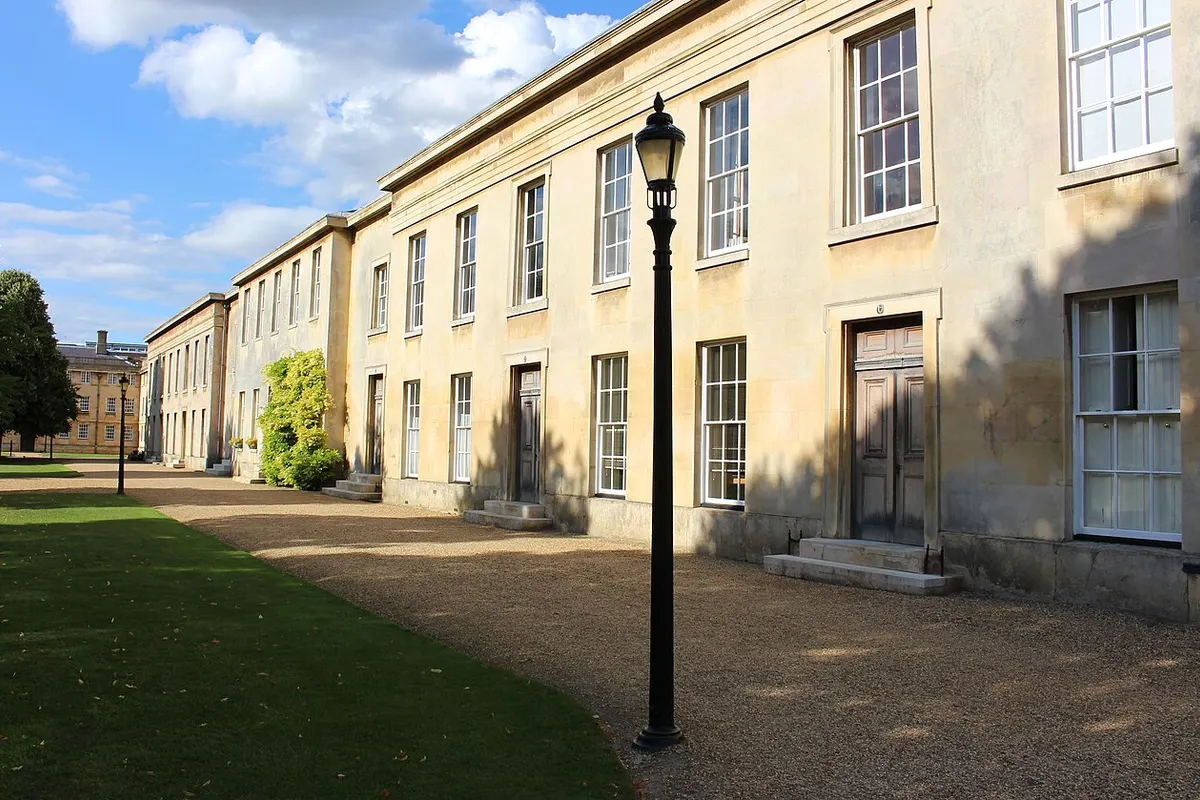
Downing College

Downing College

Founded in 1800 through Sir George Downing’s bequest, Downing is known for its neoclassical buildings and generous open grounds. Its city-centre setting brings a different architectural character to Cambridge’s college landscape.

  • Neoclassical architecture
  • Spacious central grounds
Official college information ↗
Research sourceswww.dow.cam.ac.uk ↗
Emmanuel College

Emmanuel College

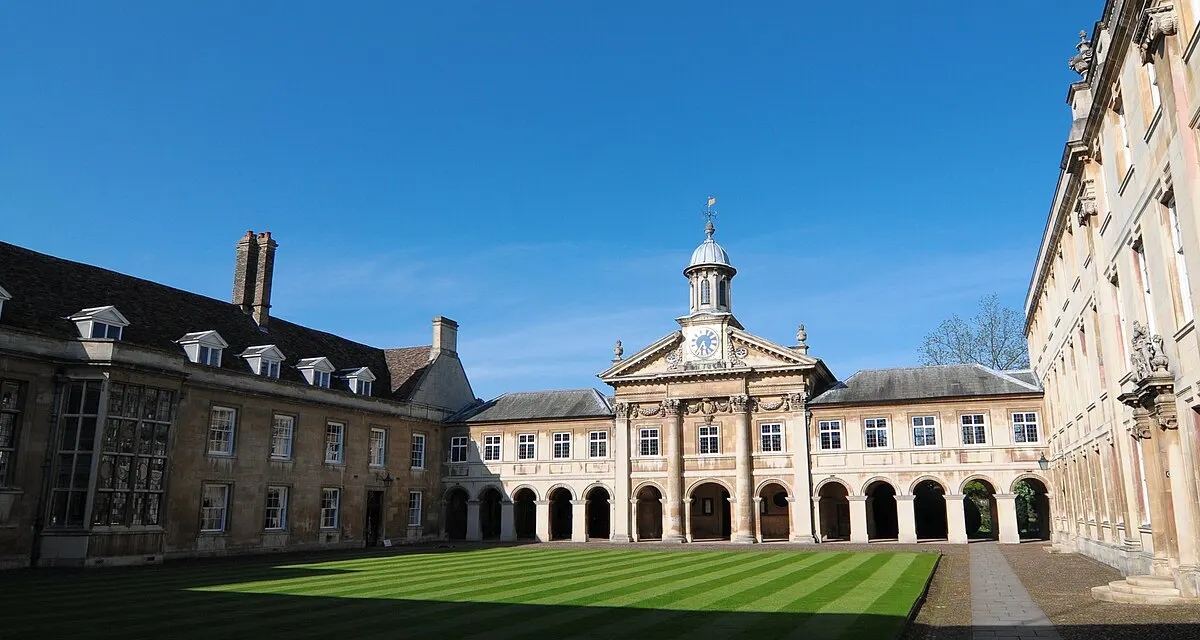
Emmanuel occupies a site with religious roots reaching back to a medieval Dominican friary. Its present chapel, designed by Christopher Wren and consecrated in 1677, is a distinctive landmark within a college devoted to teaching and research.

  • Christopher Wren’s chapel
  • Former Dominican site
Official college information ↗
Research sourceswww.emma.cam.ac.uk ↗
Fitzwilliam College

Fitzwilliam College

Fitzwilliam traces its origins to an 1869 foundation intended to widen access to Cambridge. It became a full college in 1966 and continues to emphasise opportunity for students from less represented educational backgrounds.
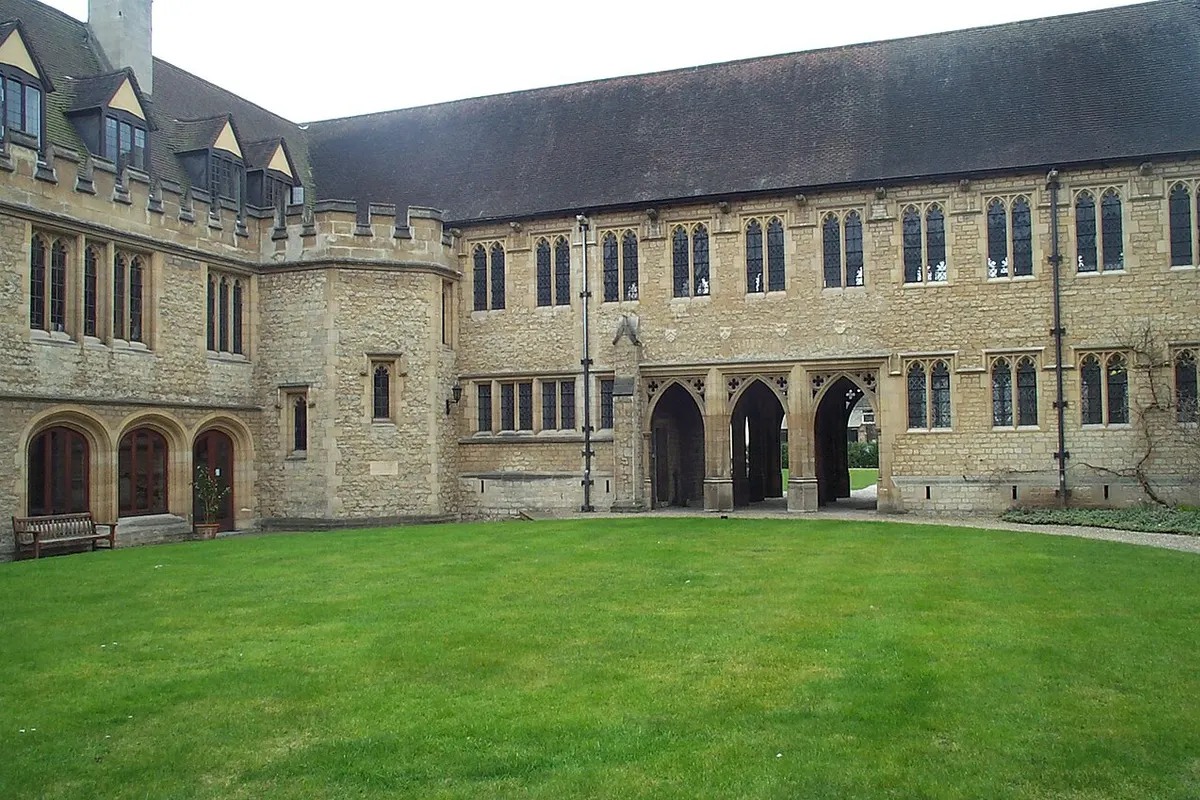
  • Access-focused origins
  • Full college since 1966
Official college information ↗
Research sourceswww.fitz.cam.ac.uk ↗
Girton College

Girton College

Founded in 1869 by Emily Davies and Barbara Bodichon, Girton pioneered residential degree-level education for women in Britain. Now a mixed college, it combines that educational history with extensive grounds, woodland and an active musical life.

  • Pioneering women’s education
  • Woodland and extensive grounds
Official college information ↗
Research sourceswww.girton.cam.ac.uk ↗
Gonville and Caius College

Gonville and Caius College

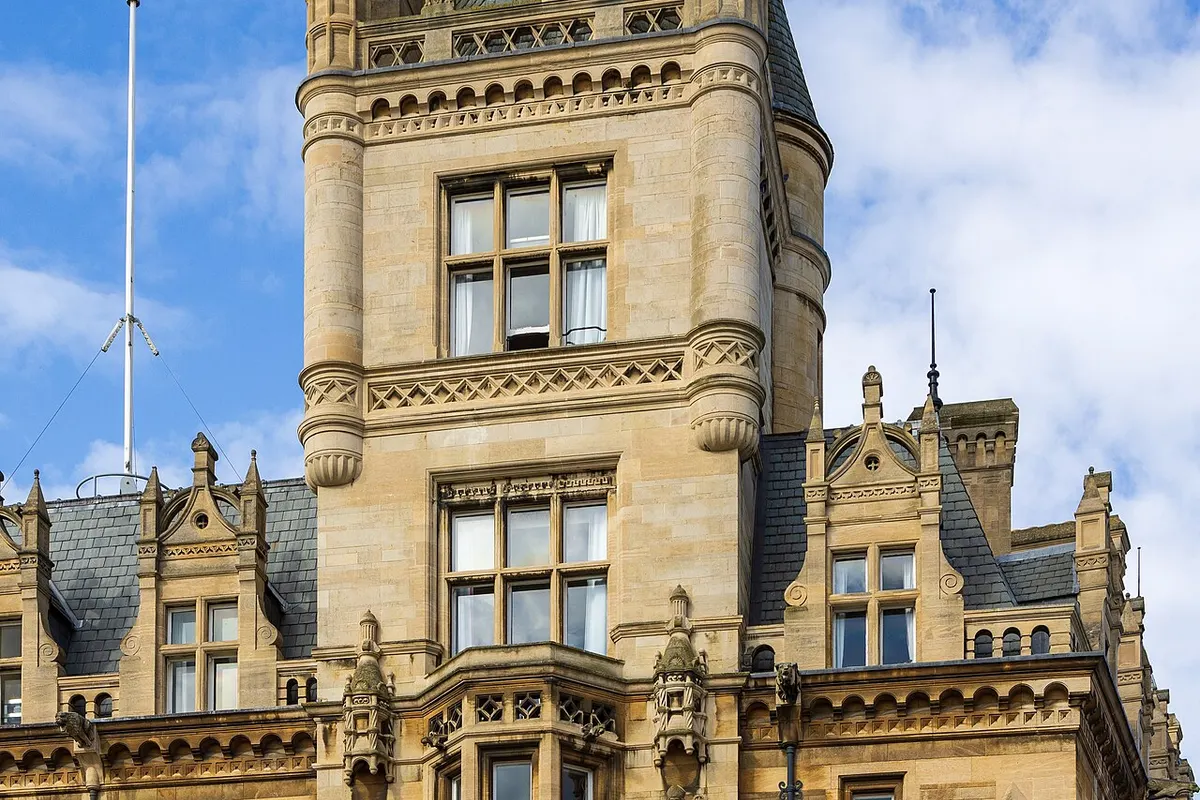
Gonville and Caius began as Gonville Hall in 1348 and was refounded by John Caius in 1557. Usually called Caius, pronounced “Keys”, it has a central Cambridge setting and a long tradition of academic research.

  • Medieval foundation and refoundation
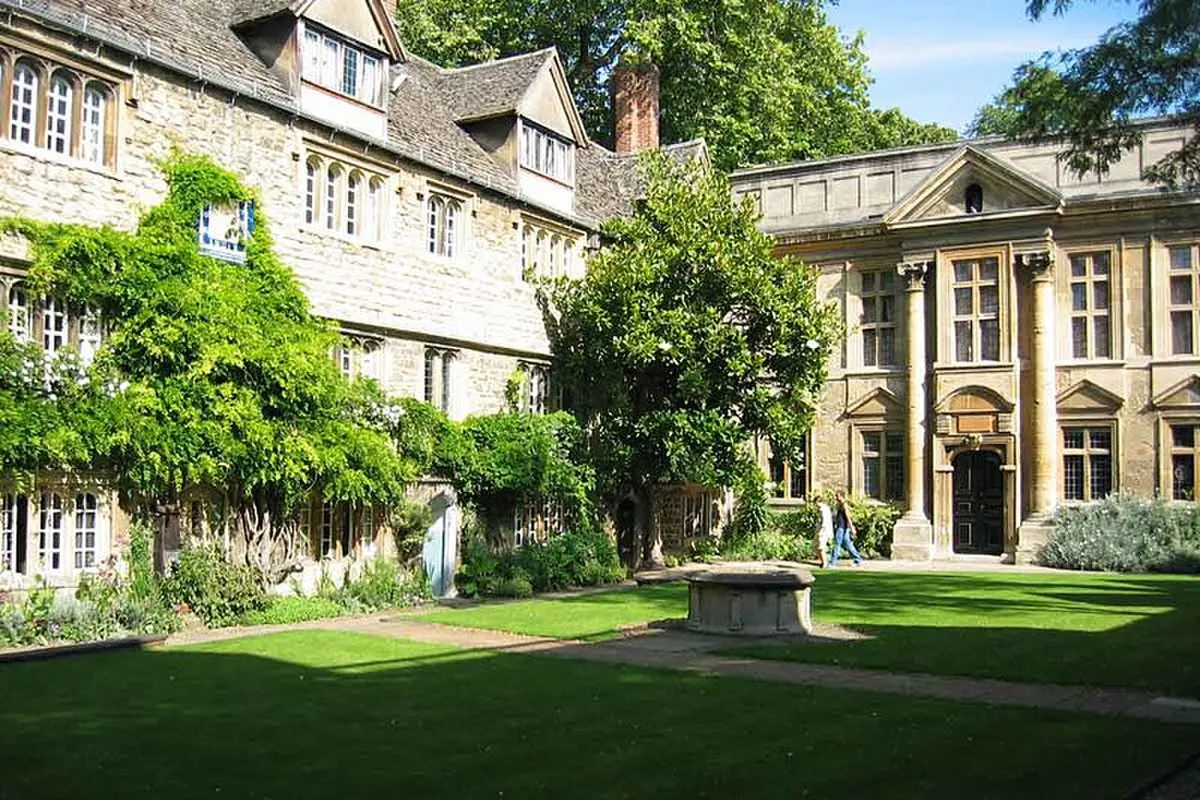
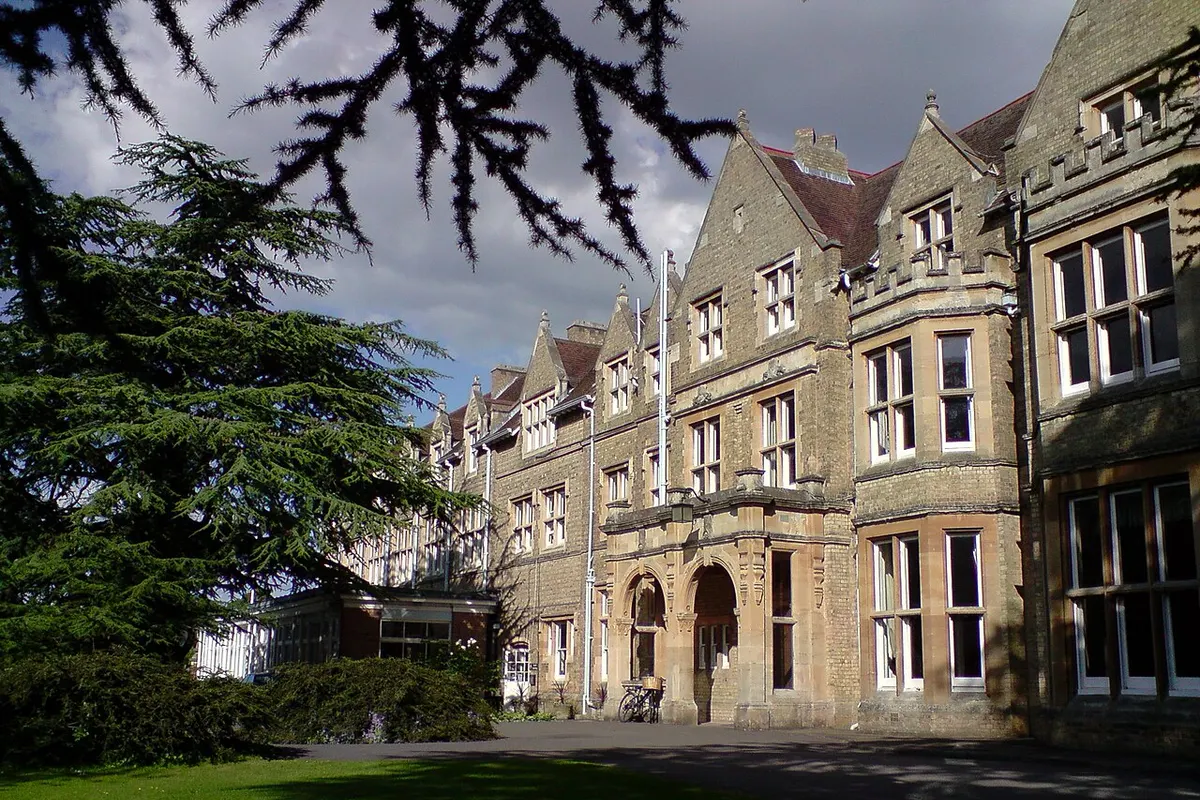
  • Pronounced “Keys”
Official college information ↗
Research sourceswww.cai.cam.ac.uk ↗
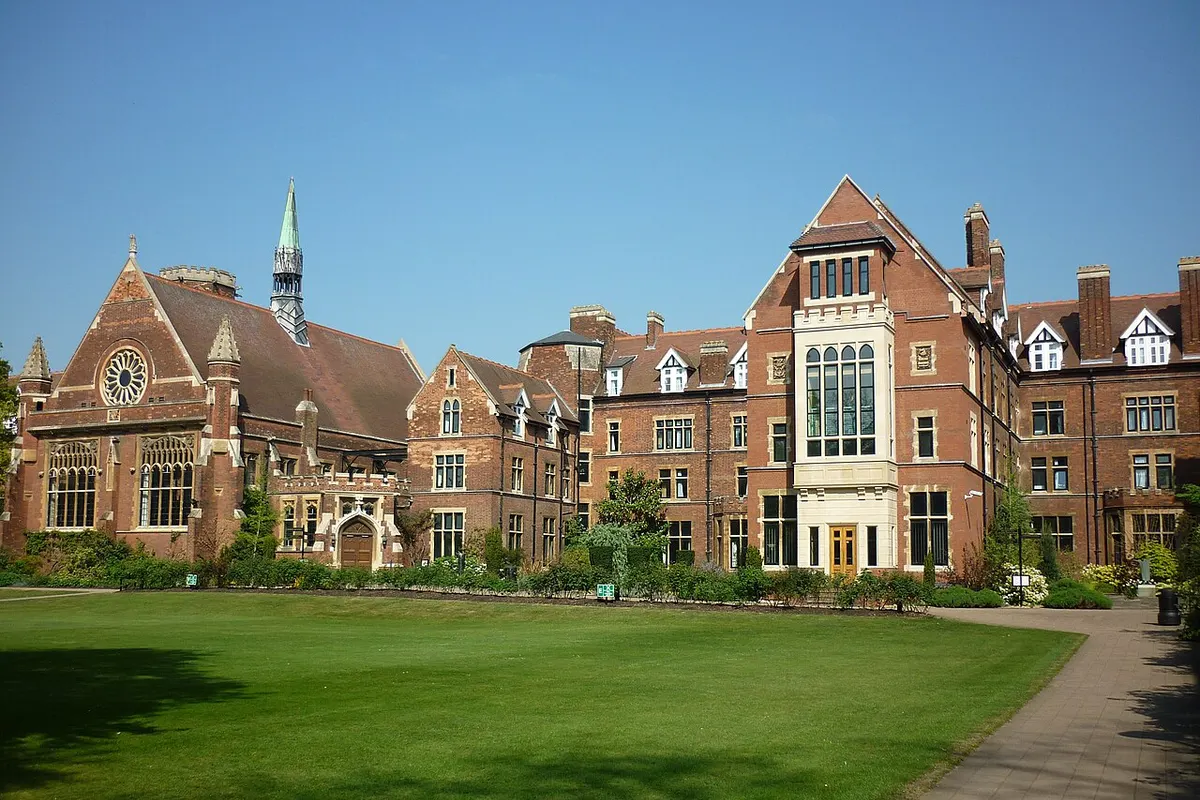
Homerton College

Homerton College

Homerton began in London in 1768 before moving to Cambridge. Its history includes non-conformist education and teacher training; as a full Cambridge college since 2010, it now teaches across the University’s academic subjects.

  • Educational and teacher-training heritage
  • Full college since 2010
Official college information ↗
Research sourceswww.homerton.cam.ac.uk ↗
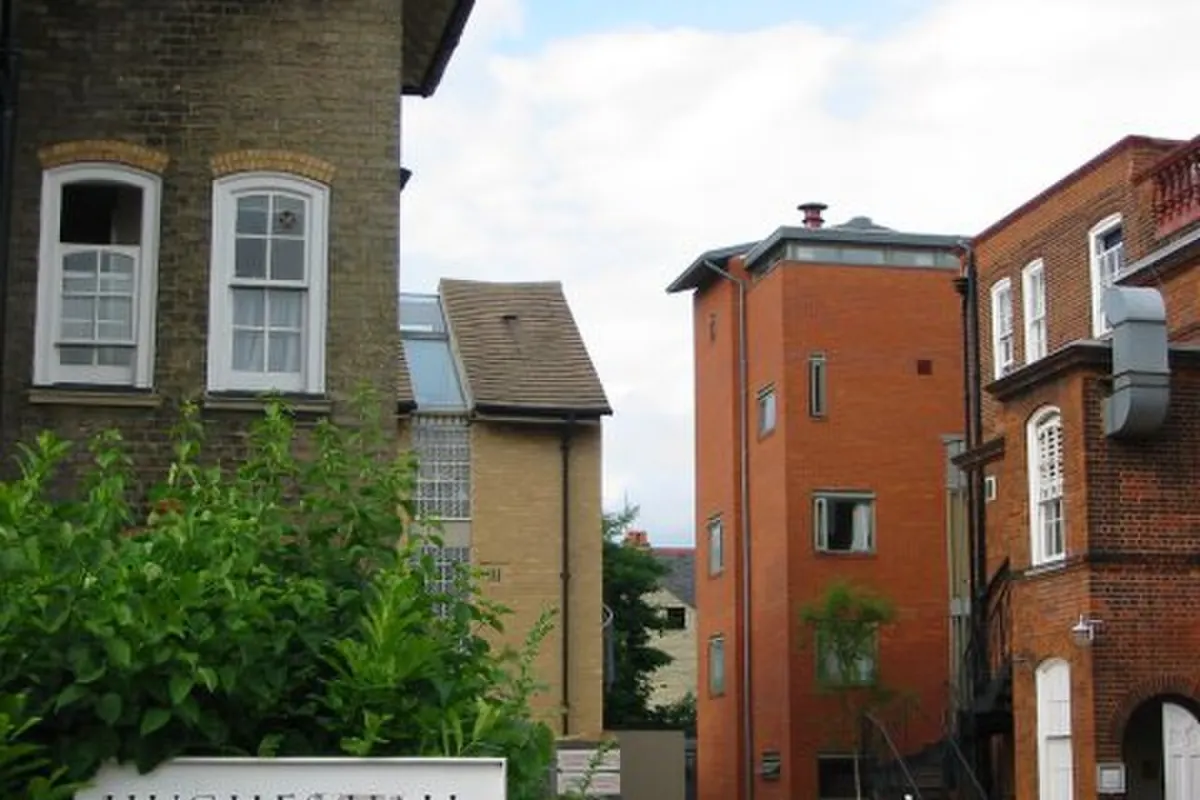
Hughes Hall

Hughes Hall

Hughes Hall began in 1885 as the Cambridge Training College for Women, later moving beside Fenner’s cricket ground. Today it is an international college for postgraduates and mature undergraduates, building on its distinctive educational origins.

  • Women’s teacher-training origins
  • Beside Fenner’s cricket ground
Official college information ↗
Research sourceswww.hughes.cam.ac.uk ↗www.hughes.cam.ac.uk ↗
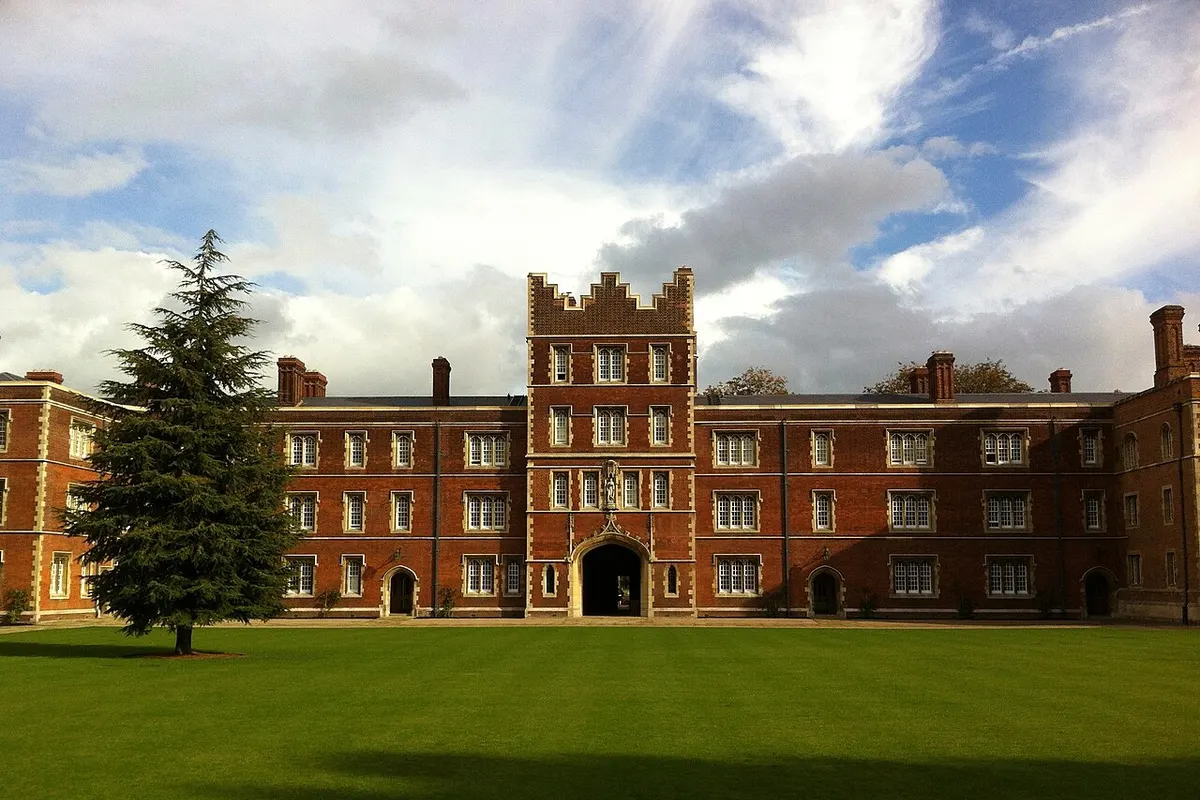
Jesus College

Jesus College

Jesus College grew from the site of a twelfth-century Benedictine nunnery. Adapted monastic buildings remain at its centre, surrounded by gardens and sports grounds on a large site close to central Cambridge.

  • Former monastic site
  • Historic buildings and open grounds
Official college information ↗
Research sourceswww.jesus.cam.ac.uk ↗
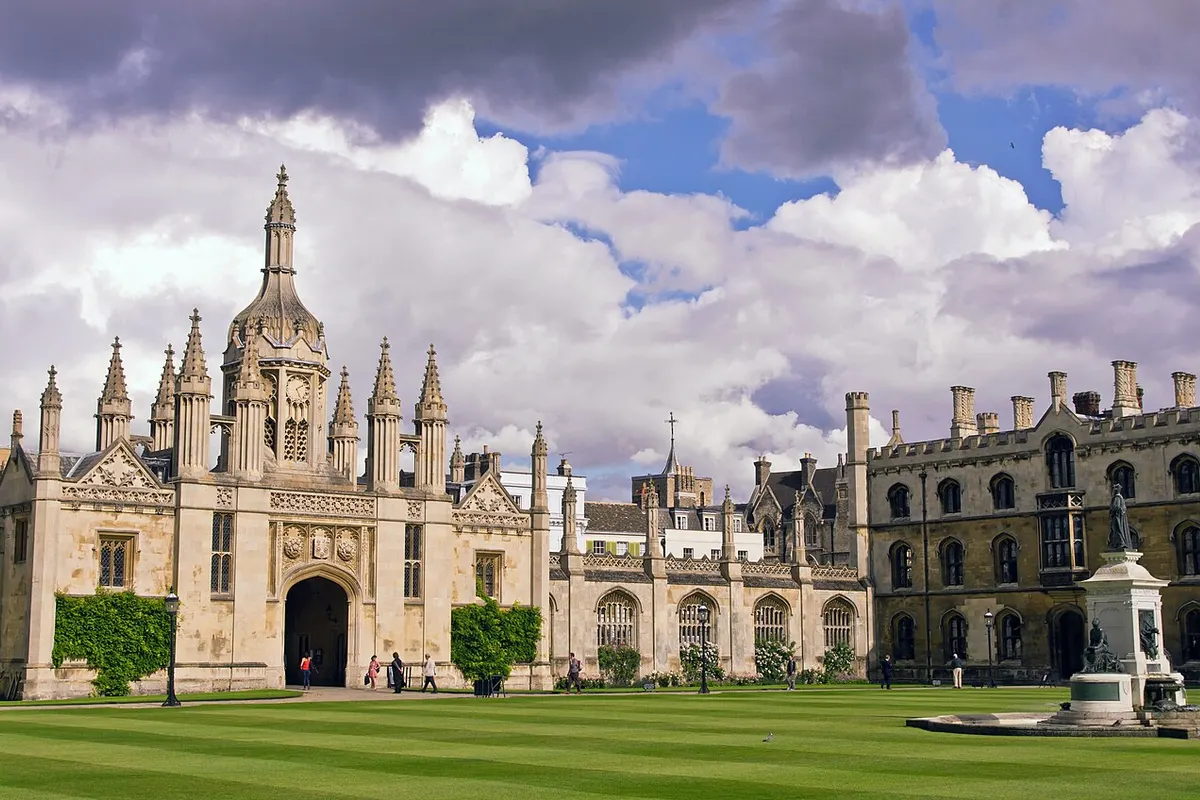
King's College

King's College

Founded by Henry VI in 1441, King’s is closely associated with its monumental chapel. The college’s central Cambridge setting and long architectural history accompany a modern academic community with a tradition of independent thought.

  • Henry VI’s foundation
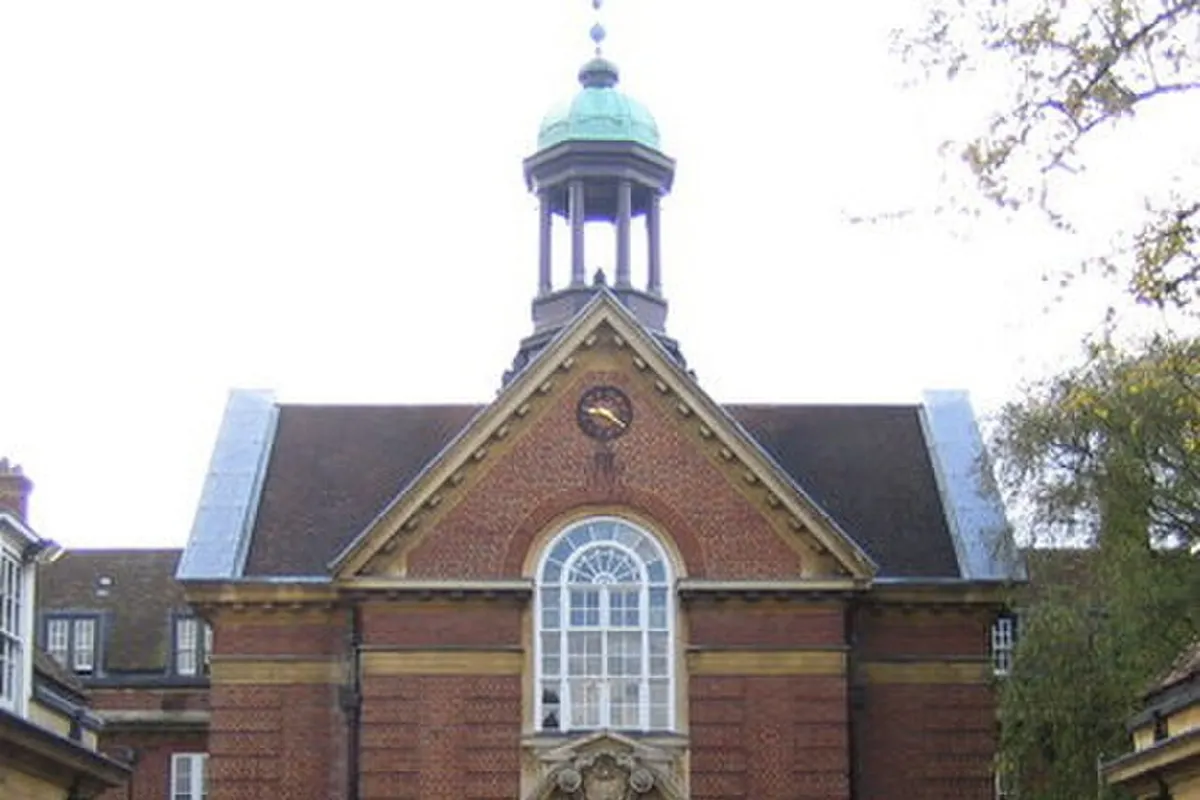
  • King’s College Chapel
Official college information ↗
Research sourceswww.kings.cam.ac.uk ↗www.kings.cam.ac.uk ↗
Lucy Cavendish College

Lucy Cavendish College

Lucy Cavendish places widening participation at the centre of its college identity. Its international undergraduate and postgraduate community includes students taking full-time and part-time courses, with academic, wellbeing and careers support woven into college life.

  • Widening participation
  • International academic community
Official college information ↗
Magdalene College

Magdalene College

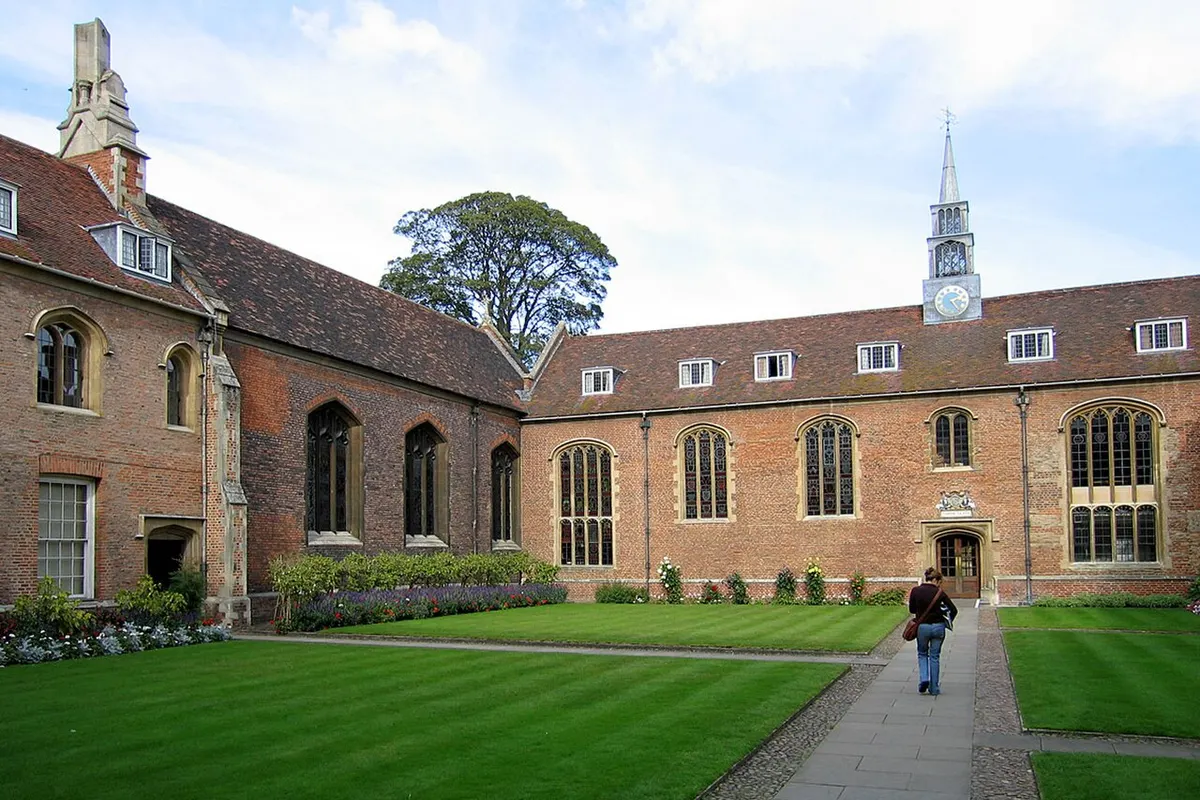
Magdalene’s history reaches back to a hostel for Benedictine student-monks established in 1428. Refounded by Lord Audley in 1542, it sits north of the river; its final “e” distinguishes it from Magdalen in Oxford.

  • Benedictine origins
  • North-of-river college setting
Official college information ↗
Research sourceswww.magd.cam.ac.uk ↗
Murray Edwards College

Murray Edwards College

Founded as New Hall in 1954, Murray Edwards was created to expand opportunities for women at Cambridge. Its distinctive buildings and gardens also house the Women’s Art Collection, making art an important part of its college identity.

  • Founded as New Hall
  • The Women’s Art Collection
Official college information ↗
Research sourceswww.murrayedwards.cam.ac.uk ↗
Newnham College

Newnham College

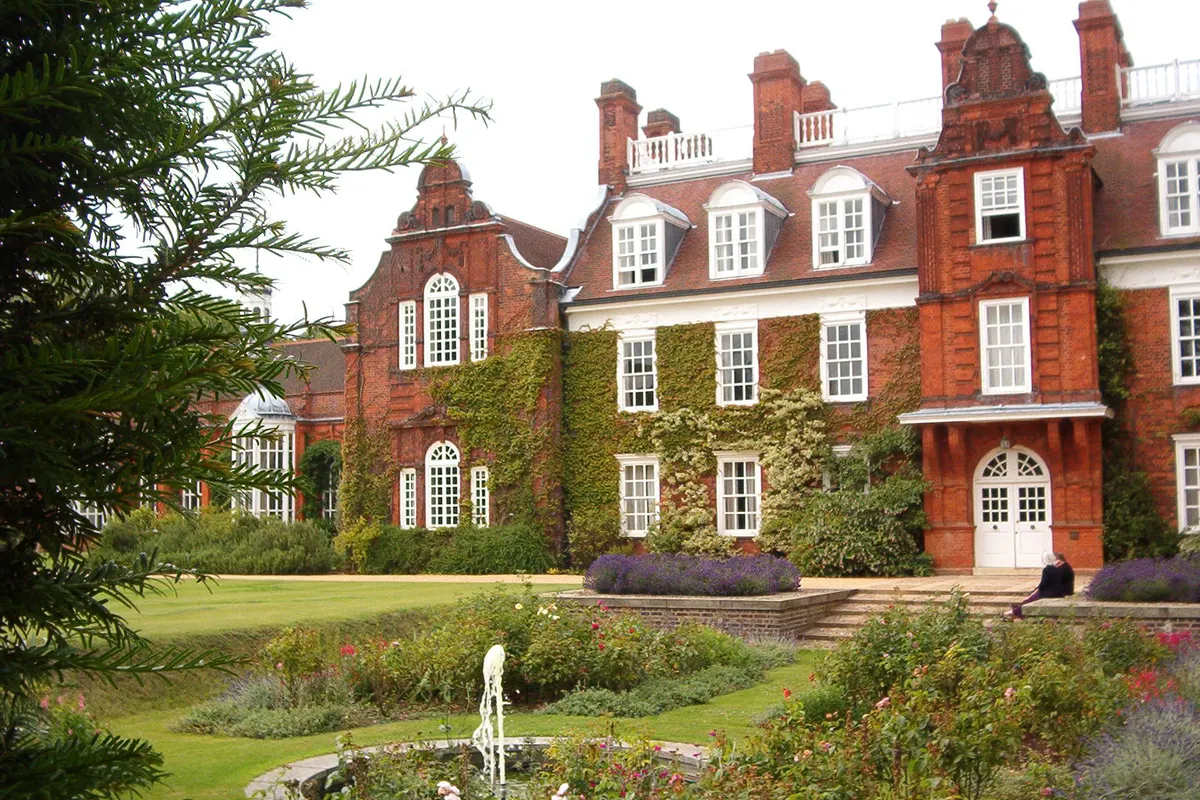
Founded in 1871, Newnham grew from the movement to provide higher education for women. Its history connects scholarship with the work of suffragists, writers, scientists and other reformers, within a college still dedicated to women’s education.

  • Founded in 1871
  • Women’s education and scholarship
Official college information ↗
Research sourceswww.newn.cam.ac.uk ↗
Pembroke College

Pembroke College

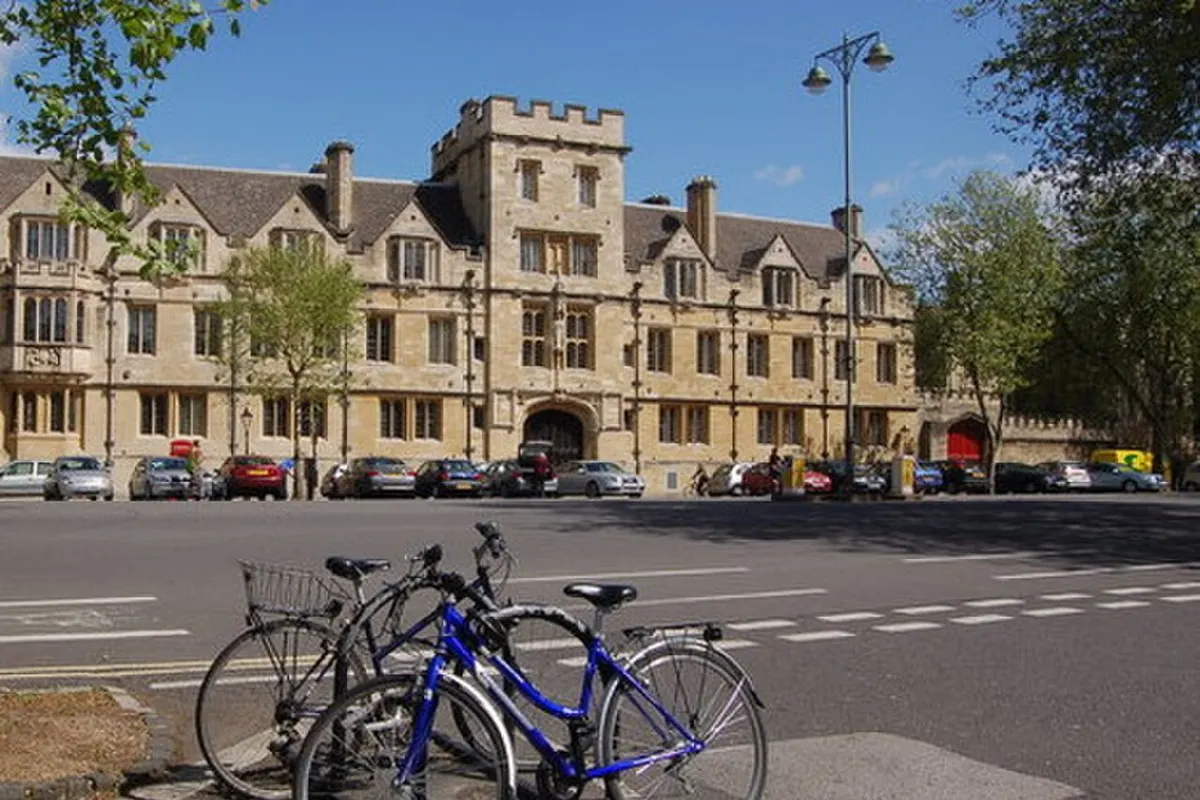
Pembroke was founded in 1347 by Mary de St Pol. Its original college site still contains the former chapel, now the Old Library, giving today’s academic community a direct connection with its medieval foundation.

  • Mary de St Pol’s foundation
  • The Old Library
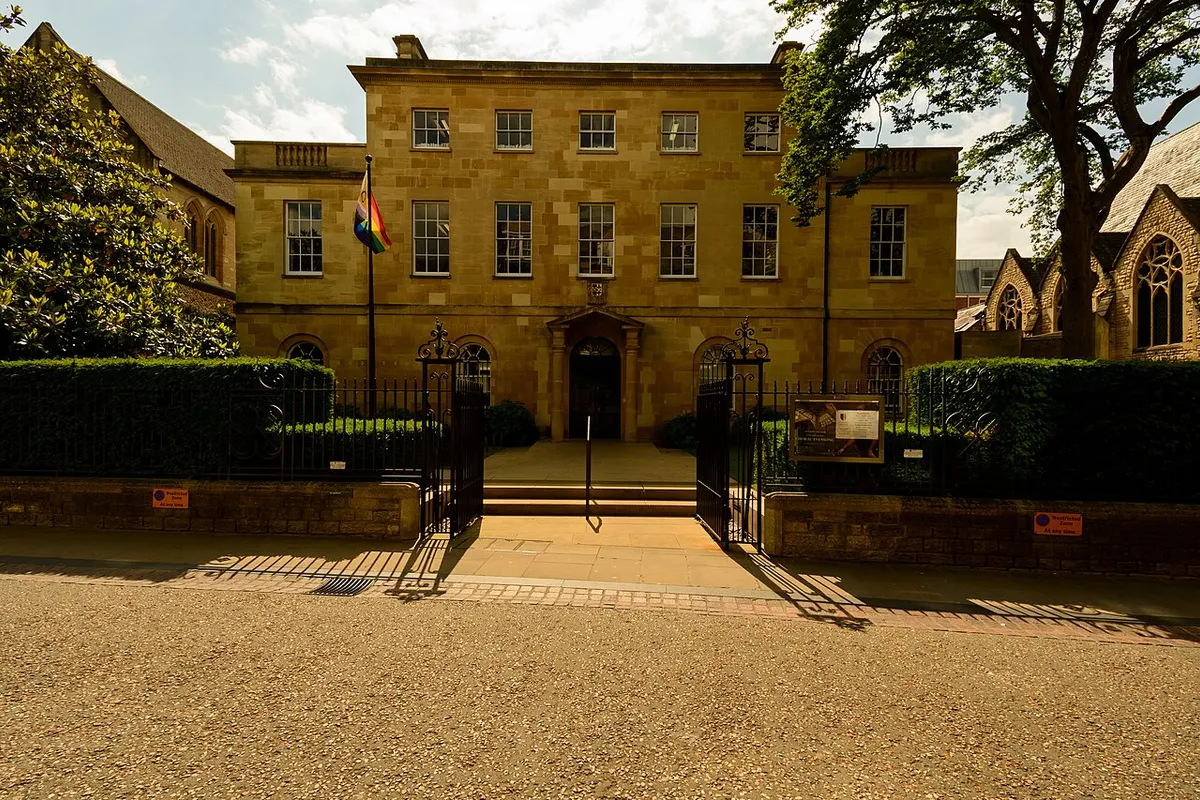
Official college information ↗
Research sourceswww.pem.cam.ac.uk ↗
Peterhouse

Peterhouse

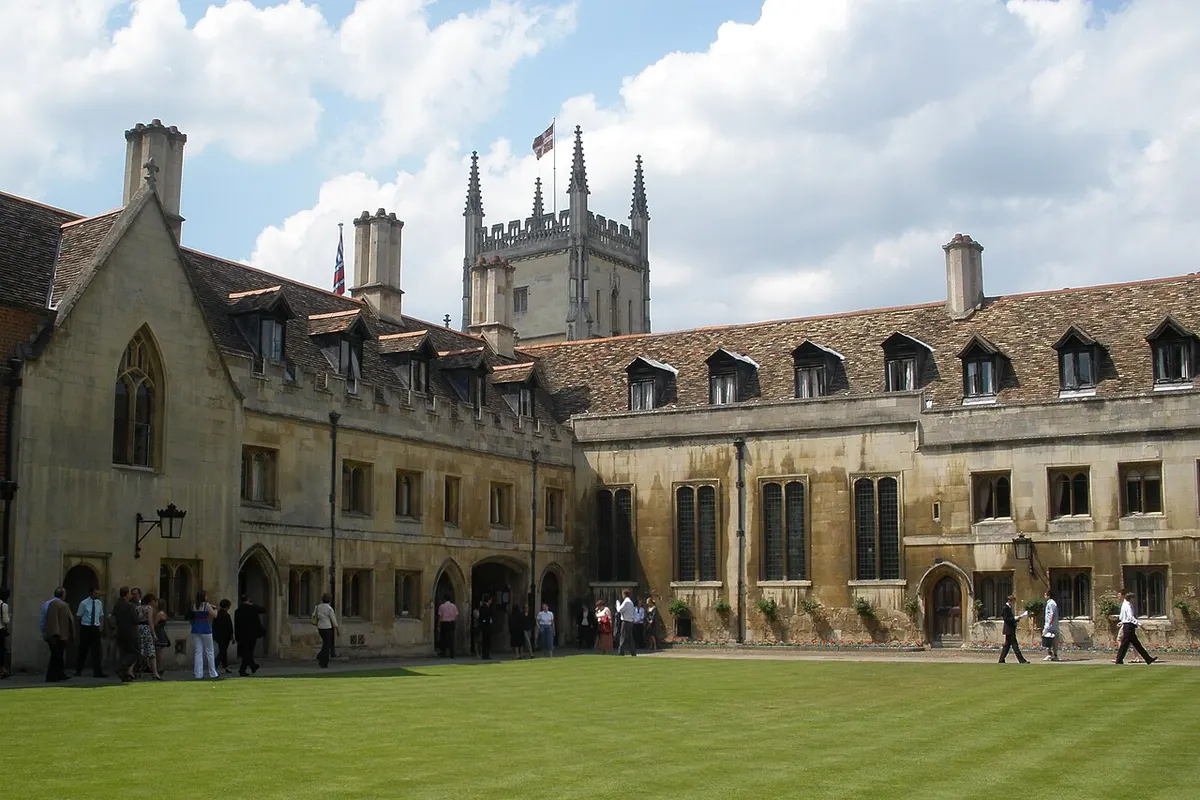
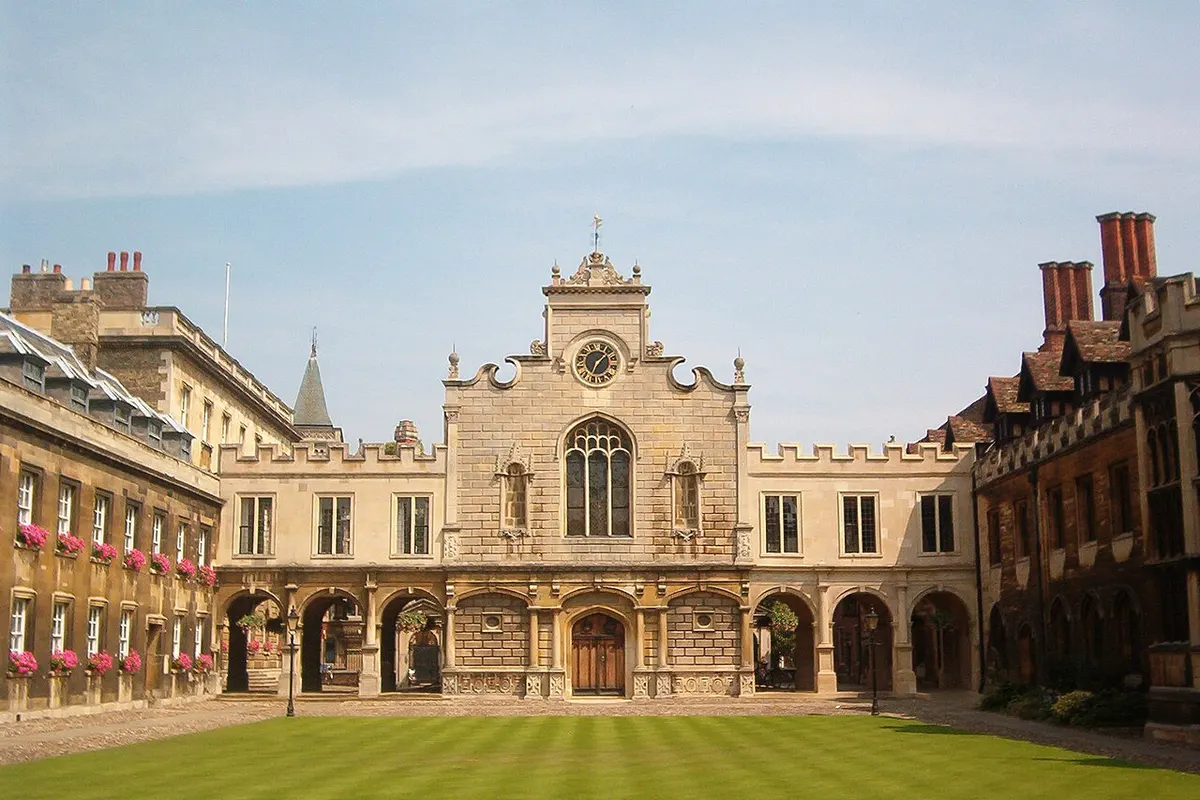
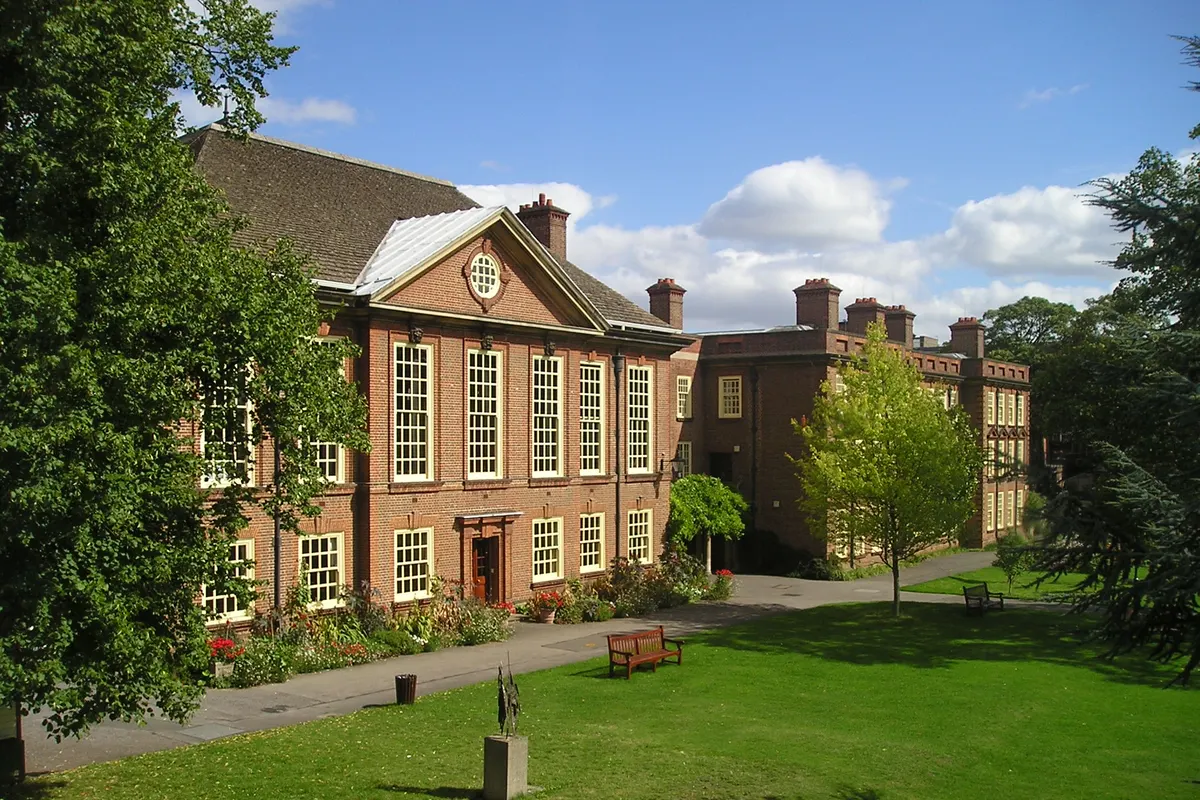
Founded in 1284 by Hugo de Balsham, Peterhouse is Cambridge’s oldest college. Its small academic community has continued through more than seven centuries, retaining an unusually long institutional history within the city.

  • Cambridge’s oldest college
  • Founded in 1284
Official college information ↗
Research sourceswww.pet.cam.ac.uk ↗
Queens' College

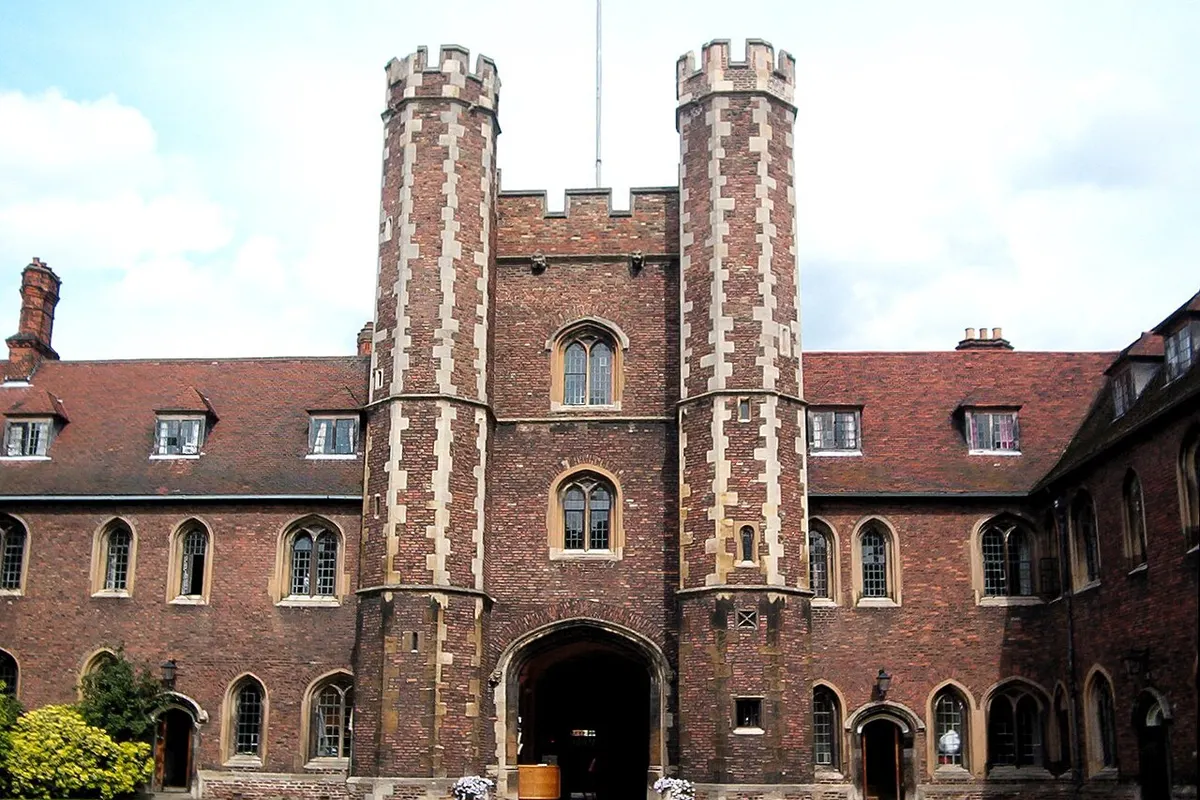
Queens' College

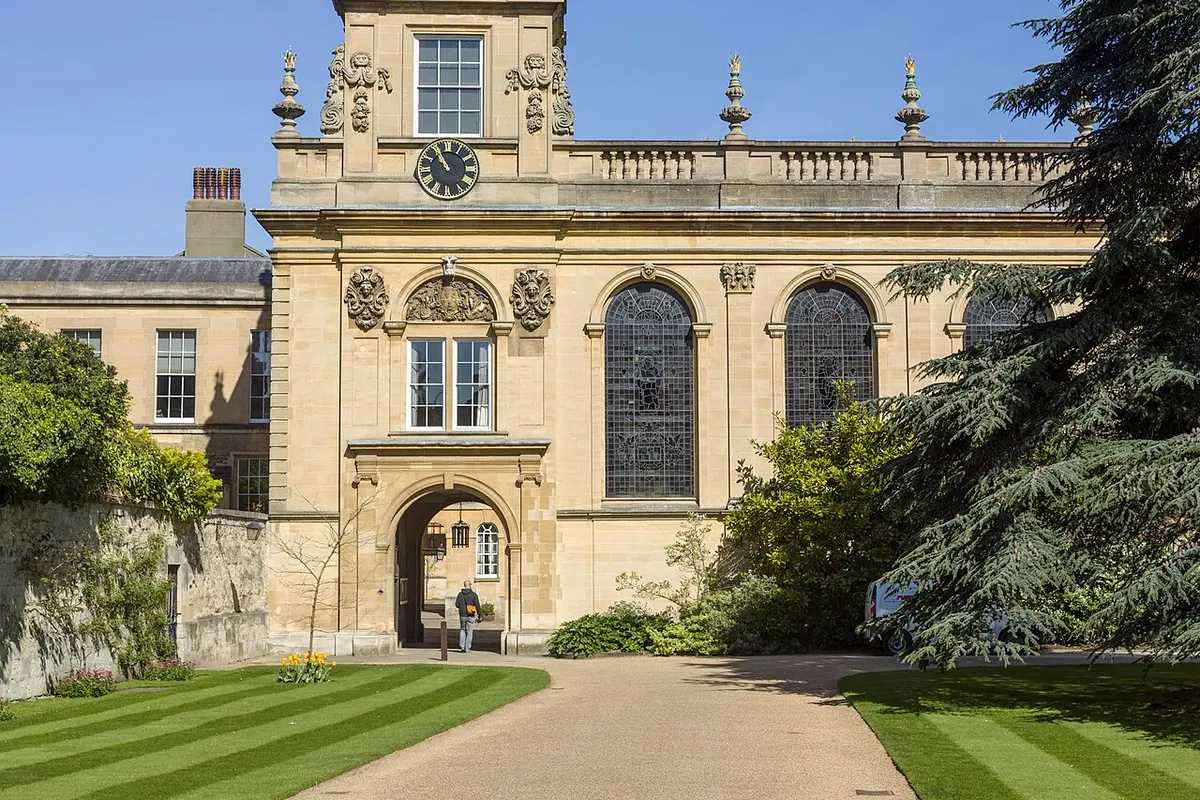
Queens’ is particularly associated with the Mathematical Bridge across the Cam. Designed by William Etheridge and first built in 1749 by James Essex, its timber structure links parts of a college with a rich riverside history.

  • Mathematical Bridge
  • Historic riverside buildings
Official college information ↗
Robinson College
Robinson College
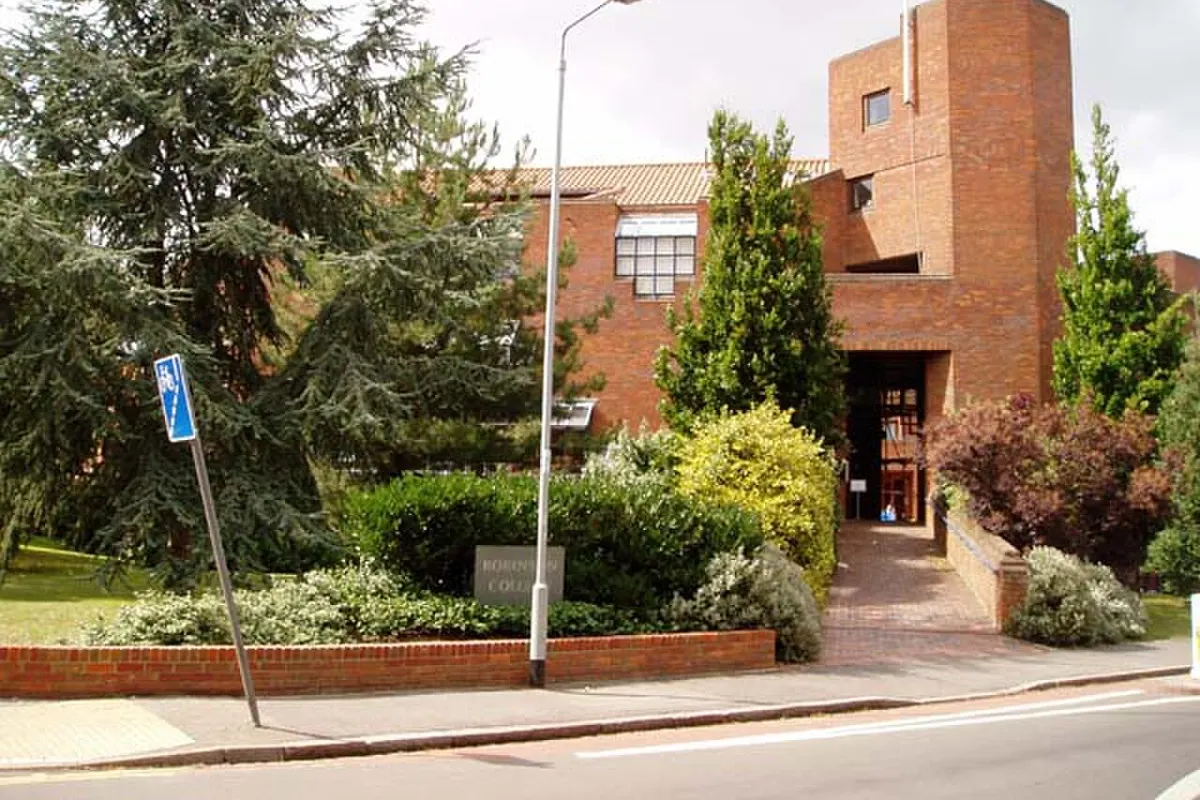
Robinson formally opened in 1981 following Sir David Robinson’s founding gift. Its distinctive listed red-brick buildings enclose a modern college community, with a large garden and lake at the centre of the site.

  • Opened in 1981
  • Red-brick architecture and gardens
Official college information ↗
Research sourceswww.robinson.cam.ac.uk ↗
Selwyn College

Selwyn College

Selwyn opened in 1882 in memory of George Augustus Selwyn. Once considered outside the main college area, its site now sits beside the Sidgwick faculties, placing its academic community close to many Cambridge departments.

  • Founded in 1882
  • Beside the Sidgwick Site
Official college information ↗
Sidney Sussex College

Sidney Sussex College

Behind its city-centre frontage, Sidney Sussex preserves Elizabethan brickwork, a cloister court and historic gardens. Its college history stretches back to 1596, with architecture and collections that reveal more than its modest exterior suggests.

  • Elizabethan heritage
  • Cloister Court and gardens
Official college information ↗
Research sourceswww.sid.cam.ac.uk ↗
St Catharine's College

St Catharine's College

Founded in 1473, St Catharine’s is a Cambridge academic community in the centre of the city. Affectionately called Catz, it brings students, Fellows and staff together around teaching, research and everyday college life.

  • Founded in 1473
  • Known as Catz
Official college information ↗
Research sourceswww.caths.cam.ac.uk ↗
St Edmund's College

St Edmund's College

St Edmund’s began in 1896 as a home for Roman Catholic students in Cambridge and became a full college in 1996. Its present-day community brings together mature undergraduates and postgraduates from a wide range of countries and backgrounds.

  • Roman Catholic foundation
  • Full college since 1996
Official college information ↗
Research sourceswww.st-edmunds.cam.ac.uk ↗
Trinity College

Trinity College

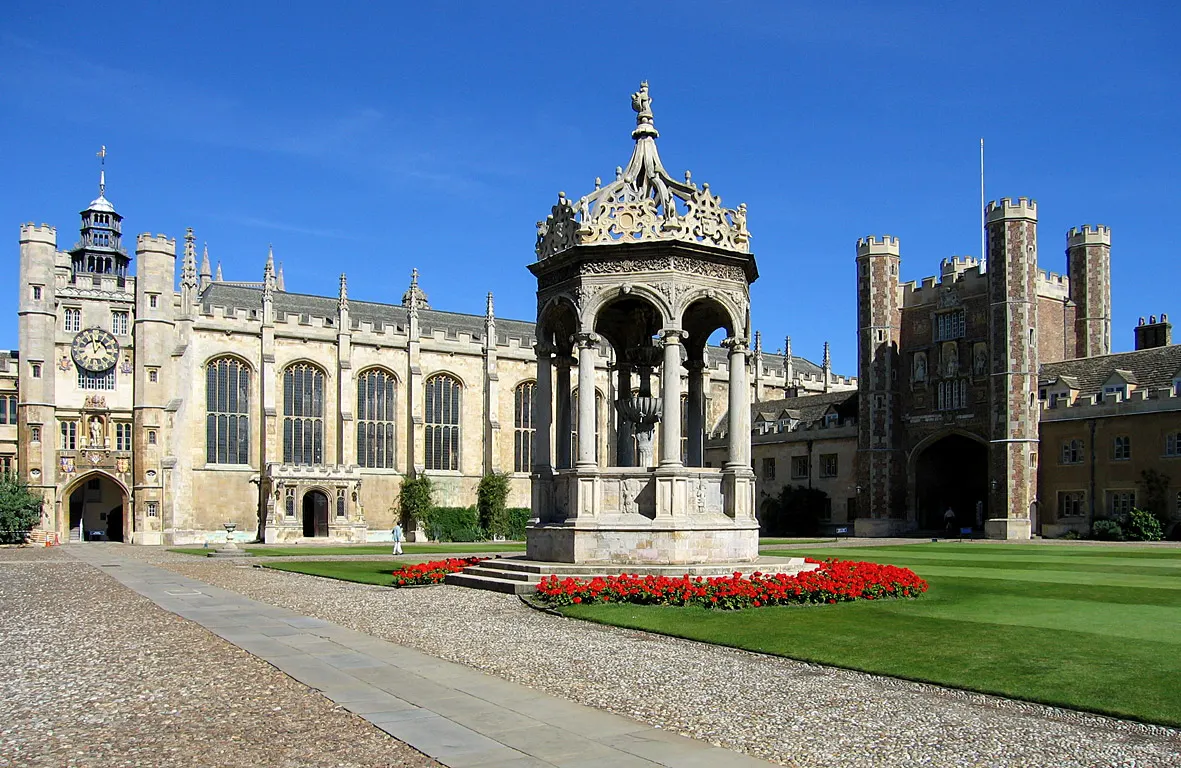
Trinity was founded in 1546 by Henry VIII, combining earlier colleges and hostels. Its extensive college setting includes Great Court and the historic Wren Library, alongside a large community of students and Fellows.

  • Henry VIII’s 1546 foundation
  • Great Court and Wren Library
Official college information ↗
Research sourceswww.trin.cam.ac.uk ↗www.trin.cam.ac.uk ↗
Trinity Hall

Trinity Hall

Founded in 1350 by Bishop Bateman for the study of canon and civil law, Trinity Hall is one of Cambridge’s oldest colleges. Its central riverside site now supports an academic community spanning many subjects.

  • Founded in 1350
  • Historic legal and riverside setting
Official college information ↗
Research sourceswww.trinhall.cam.ac.uk ↗
Wolfson College

Wolfson College

Wolfson supports postgraduates and mature undergraduate and Foundation Year students. Its garden setting and emphasis on lifelong learning accompany dedicated academic support, including the WolfWorks study-skills programme and the Lee Library.

  • Lifelong learning
  • Mature and postgraduate study
Official college information ↗